Articles

Around the WNBA + Futures Pick

by Jazz Ray

Tuesday, Sep 01, 2026

With the WNBA on break for the women's World Cup, here is a quick look at what is happening around the league through the first 300 games of the season. If you're only interested in my futures pick, scroll to the bottom. League Trends  - Underdogs: Underdogs have cashed at roughly a 55% clip, with home underdogs and those getting 10 or more points faring particularly well.  - Favorites: Road favorites have consistently hurt their backers.  - Standings Gap: There is a significant gap between the top and bottom of the league. The top eight teams are all winning at least 60% of their games, while the bottom seven are all at 40% or less. The championship-favorite Lynx lead at 31-9, while the Storm sit at the bottom at 8-32.Top 3 Most Profitable Teams (Against the Spread)1.  Washington: 24-16 ATS2.  Golden State: 23-17 ATS3.  Minnesota: 23-17 ATS    Note: Defense equals profits. These are also the league's three best defensive teams. Golden State allows a league-low 76.3 ppg, followed by Washington (83.1) and New York (83.3).Top 3 Least Profitable Teams (Against the Spread)1.  New York: 14-26 ATS2.  Atlanta: 16-24 ATS3.  Phoenix: 17-23 ATS    Note: Scoring high doesn't guarantee ATS success. New York and Atlanta rank second and third in scoring (trailing only Indiana), yet they are the two worst teams against the spread.Overall Standings  - Minnesota: 31-9  - Golden State: 29-11  - Las Vegas: 27-13  - Atlanta: 26-14  - Indiana: 26-14  - New York: 24-16  - Washington: 24-16  - Dallas: 24-16  - Portland: 16-24  - Los Angeles: 15-25  - Chicago: 15-25  - Phoenix: 14-26  - Toronto: 11-29  - Connecticut: 10-30  - Seattle: 8-32Key Storylines  - FIBA World Cup: A total of 51 WNBA players are participating in the tournament in Berlin. The Liberty are sending the most players of any team with seven. It remains to be seen what effect the tournament will have on the rest of the season and the playoffs.  - MVP And Rookie Of The Year Races: A'ja Wilson of Las Vegas is an overwhelming favorite to win the MVP Award. One of the best WNBA players of all-time Wilson is averaging 26 points and 9.4 rebounds per game. Olivia Miles won't catch Wilson in the MVP race but should have no trouble securing Rookie Of The Year honors.    - Angel Reese Record Watch: Reese continues to dominate the boards. After breaking the single-game rebound record last week with 26, she recently recorded her 29th double-double of the season against Minnesota, breaking Alyssa Thomas’ 2023 single-season mark.  - In other news, former NBA player Enes Kanter Freedom says he now identifies as a woman and entered himself in the 2027 WNBA Draft to highlight the league’s eligibility rules on transgender athletes. He was later removed from a Chicago Sky–Indiana Fever game after a verbal clash with Sky guard Natasha Cloud. The Sky then banned him indefinitely from home games, citing him as a potential threat.Free Futures Pick: Minnesota will NOT win the WNBA Championship (-138)The Lynx are +125 to win the title and -138 to not win the title. That's like getting the field against the Lynx at -138. The Lynx have been the best team but they are not unbeatable. Regular season success doesn't always translate to playoff success either. Winning the title is all about peaking at the right time. Plus, the World Cup may hurt Minnesota's momentum. You've got teams like Indiana that can outscore the Lynx and Golden State that can play better defense. Then you've got the defending champion Aces who have a big advantage in playoff experience. Atlanta and NY are capable of getting hot at the right time, which is also the case for Dallas and Washington. 7 capable teams versus 1 at -138. We're taking it. 

Read more

Just Wow, as the Season's First Bad Beat Comes in Week Zero

by Wayne Root

Tuesday, Sep 01, 2026

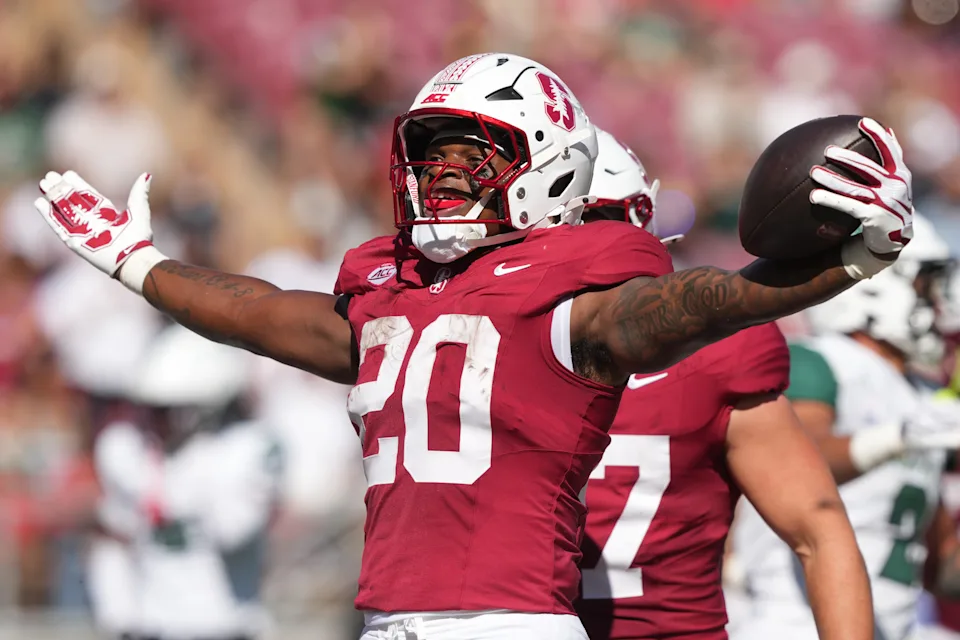
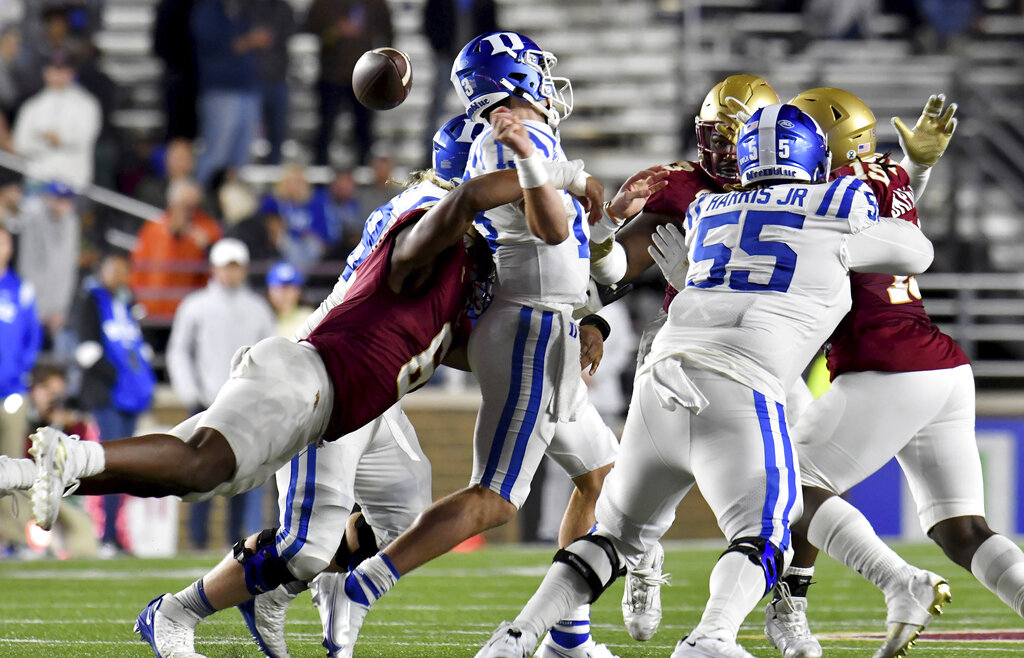
College football is here—and the players have already had their first bad beat. We’re talking about the Hawaii vs. Stanford game. Hawaii was getting 4.5 points as a live underdog. Disclaimer We had Hawaii +4. At halftime, we were down 14–7. Not a problem. What happened Stanford got things going early in the second half with a safety, making it 16–7. With 9:51 left in the third quarter, Stanford scored a touchdown to push the lead to 23–7. Hawaii started their comeback in the fourth quarter:  A touchdown made it 23–14 at the 12:32 mark. With just 9:33 remaining, Hawaii scored a touchdown to make it 23–21 Then came the swings: With just under 4:00 to go, Hawaii went ahead 27–23—after missing the extra point. At least Hawaii was ahead and there wasn’t much time left. Stanford wouldn’t stay down: A Cardinal touchdown made it a still manageable 30–27 with 1:41 left. The bad beat We received the kickoff with just over a minute left to cover and cash a ticket, and our quarterback—Micah Alejado from Las Vegas, no less—fumbled. Stanford not only recovered the ball, but the player who recovered it turned it into a nightmare play: he ran 31 yards for a Stanford touchdown, and that’s what ultimately sealed the game with a final score of 37–27. So yes—the Stanford Cardinal were the beneficiary of this 2026 season’s first bad beat. Get ready for more exciting games, and hopefully next time you and we are the recipients instead. College football is here, and the season is off to a thrilling start.

Read more

Big Al's Daily Angle: MLB Previews and Odds - 09/01/26

by Big Al Staff

Tuesday, Sep 01, 2026

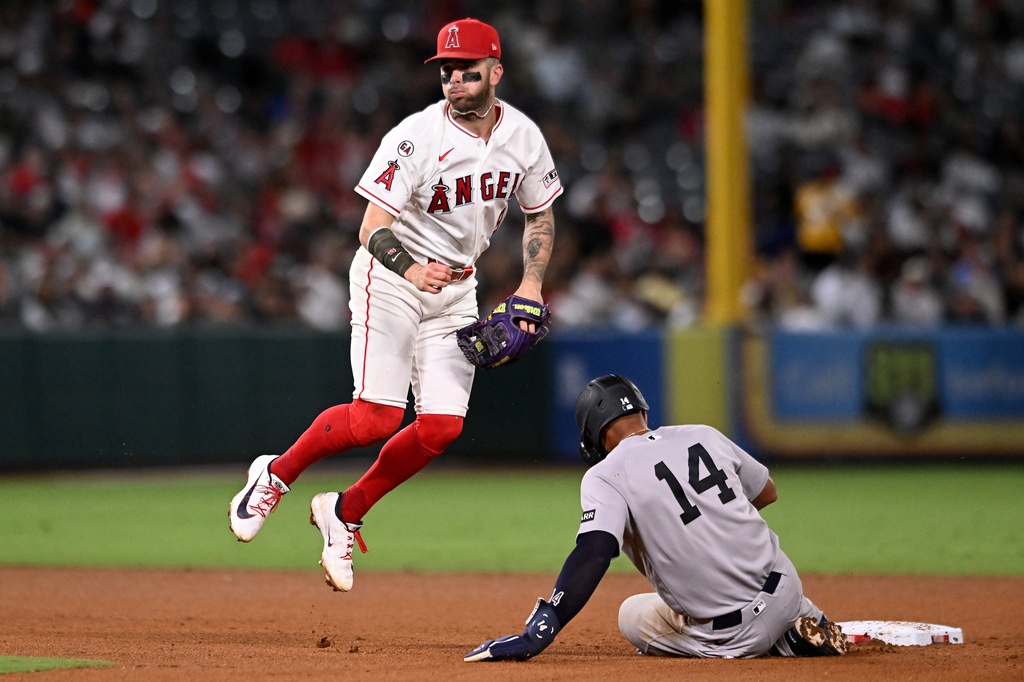
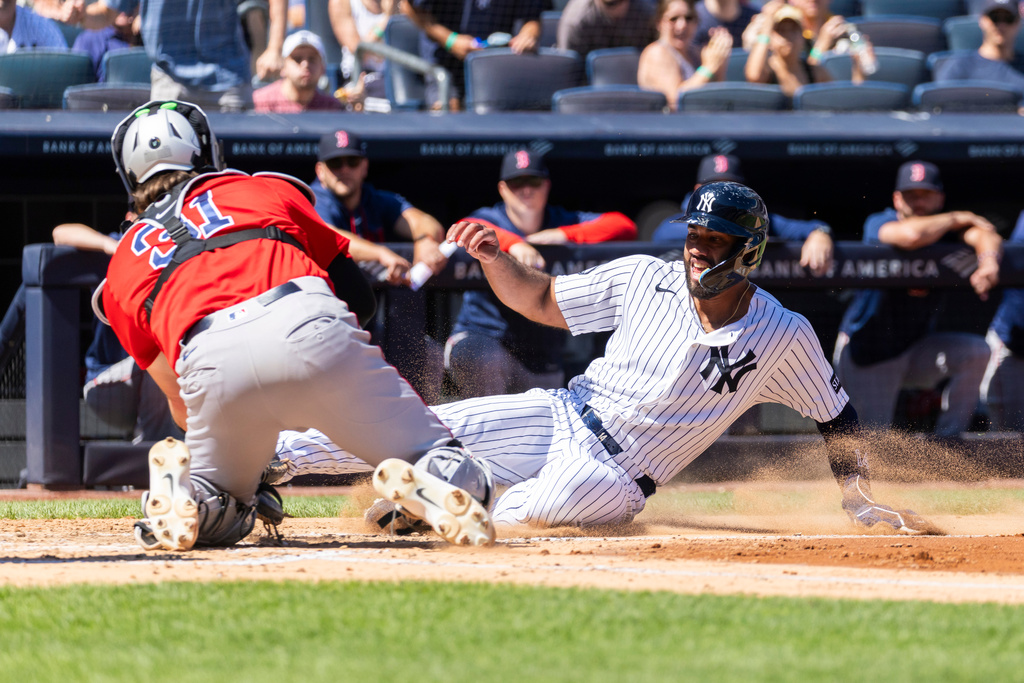
The Tuesday sports card features MLB action.Major League Baseball has 15 games scheduled. Four MLB games throw out the first pitch at 6:40 p.m. ET. Cleveland hosts Toronto with the Guardians sending out Gavin Williams to pitch against the Blue Jays’ Spencer Arrighetti. The Guardians are a -186 money-line favorite with the total set at 8 (all odds from DraftKings). Pittsburgh plays at home against San Francisco, with Paul Skenes taking the mound for the Pirates to face Logan Webb for the Giants. The Pirates are a -163 money-line favorite with an over/under of 7.5. Tampa Bay is at home to take on New York, with the Rays turning to Freddy Peralta to duel against the Mets’ Sean Manaea. The Rays are a -132 money-line favorite with a total of 8. San Diego travels to Cincinnati with Randy Vasquez taking the hill for the Padres to challenge Nick Lodolo for the Reds. The Padres are a -136 money-line road favorite with an over/under of 9.5. Two MLB games start at 6:45 p.m. ET. Boston hosts Seattle with the Red Sox tapping a starting pitcher yet to be named to battle the Mariners’ Bryan Woo. The Red Sox are a -126 money-line favorite with a total of 7.5. Atlanta plays in Washington, with A.J. Smith-Shawver getting the ball for the Braves to pitch against Jake Irvin for the Nationals. The Braves are a -172 money-line road favorite with an over/under of 10. Three MLB games begin at 7:40 p.m. ET. Chicago plays at home against Milwaukee on TBS with the Cubs sending out Matthew Boyd to duel against the Brewers’ Robert Gasser. The Cubs are a -130 money-line favorite with a total of 10.5. Detroit is on the road in Minnesota with Troy Melton taking the mound for the Tigers to pitch against Andrew  Morris for the Twins. The Tigers are a -120 money-line road favorite with an over/under of 8.5. Kansas City is at home to take on Miami, with the Royals turning to Randy Dobnak to face the Marlins’ Tyler Phillips. The Royals are a -120 money-line favorite with a total of 10. The Texas Rangers host the Athletics at 8:05 p.m. ET. MacKenzie Gore gets the ball for the Rangers to challenge Brady Basso for the Athletics. Texas is a -197 money-line favorite with an over/under of 7.5. The Houston Astros play at home against the Chicago White Sox at 8:10 p.m. ET. A starting pitcher yet to be named for the Astros will pitch against Sean Burke for the White Sox. The Baltimore Orioles visit Colorado to battle the Rockies at 8:40 p.m. ET. The Orioles send out Kyle Bradish to pitch against the Rockies’ Gabriel Hughes. Baltimore is a -142 money-line road favorite with a total of 11. The New York Yankees play in Los Angeles against the Angels at 9:38 p.m. ET. Gerrit Cole gets the starting pitcher assignment for the Yankees to take on Grayson Rodriguez for the Angels. New York is a -186 money-line road favorite with an over/under of 8. The Philadelphia Phillies are on the road in Arizona to face the Diamondbacks at 9:40 p.m. ET. The Phillies tap Jesus Luzardo to duel against the Diamondbacks’ Eduardo Rodriguez. Philadelphia is a -142 money-line road favorite with a total of 7.5. The Los Angeles Dodgers play at home against the St. Louis Cardinals at 10:10 p.m. ET. Eric Lauer takes the hill for the Dodgers to battle Michael McGreevy for the Cardinals. Los Angeles is a -171 money-line favorite with an over/under of 9.  

Read more

The Milwaukee Brewers Head Into September as the Best Team in MLB

by Team Del Genio

Monday, Aug 31, 2026

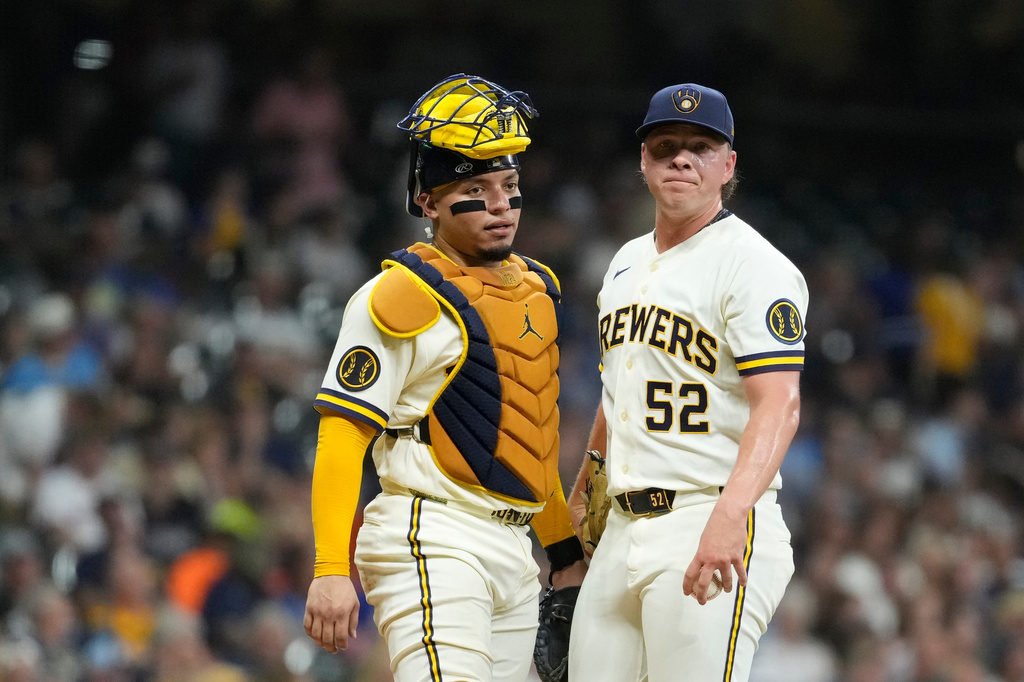
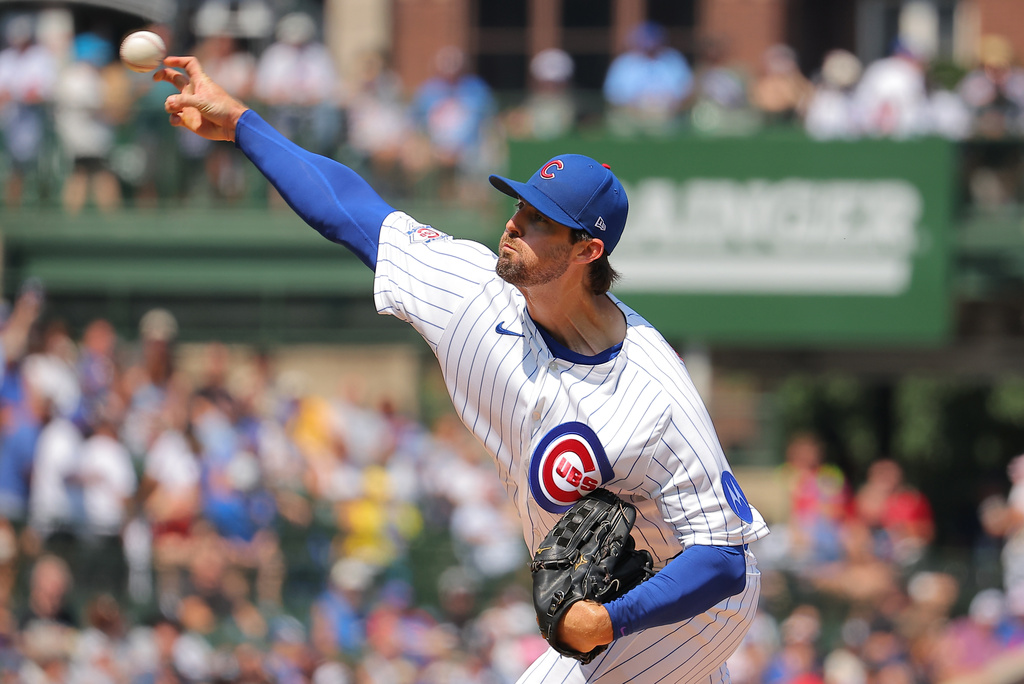
The month of August is ending with the Milwaukee Brewers as the best team in Major League Baseball. Their 85-52 record is the best in the league. Their +177 net run differential gives them a Pythagorean record of 87-49, confirming their great season is no fluke. That mark is also the best in Major League Baseball. They had won four games in a row before a 7-4 loss at home against Texas on Sunday. On Monday, August 31st, they began a new series in Chicago against the Cubs. The Cubs may have a 77-60 record, yet that leaves them 7 games behind the Brewers. In the last week, Milwaukee is averaging 6.6 runs per game with a .290 batting average, a .362 on-base percentage, and a .425 slugging percentage. While the Brewers have a 47-25 record at home, they have been almost as good on the road, where they have a 38-27 record. They have won nine of their previous eleven games on the road against opponents with a winning percentage in the 54%-62% range. One of the reasons why they have been so good is that they are winning most of the games that they are supposed to win. They have won forty-seven of their seventy games this year when the oddsmakers installed them as a money line favorite up to -150. Another reason why they have the best record in baseball is that they limit losing streaks. Milwaukee has won thirty of their fifty games following a loss this year. The Brewers planned to end the month of August by tapping Kyle Harrison as their starting pitcher. He is making his fifth start since coming off the injured list. We backed him two starts ago, and he pitched five scoreless innings with eight strikeouts in an easy 22-0 victory for Milwaukee. The lefty has a 10-3 record with a 2.79 era and a 1.12 whip in twenty starts. Last week, he was coming off a bad start where he allowed eight earned runs in 4 2/3 innings on the road in San Diego. Cramping has been an issue since his return from an elbow injury, and his velocity was down against the Padres. Yet he pitched well in his first start back by giving up only one base hit and striking out ten batters in five innings before the cramping issue developed. On the road against the New York Mets last Tuesday, he gave up only one earned run in five innings. In his four previous starts this month, he has a 1.83 era with 26 strikeouts in 19 2/3 innings. The fundamentals are strong for the former Red Sox pitcher. His strikeout rate of 30.0% ranks in the top 90th percentile. His walk rate of 6.4% ranks in the top 82nd percentile. Milwaukee has won seven straight games against opponents with a winning percentage in the  54%-62% range when Harrison is their starting pitcher. It is the emergence of players like Harrison that has helped the Brewers become one of the biggest threats to win the World Series this season. Good luck - Team Del Genio.

Read more

Overrated/Underrated - CFB Power Four Projections 2026-27

by William Burns

Monday, Aug 31, 2026

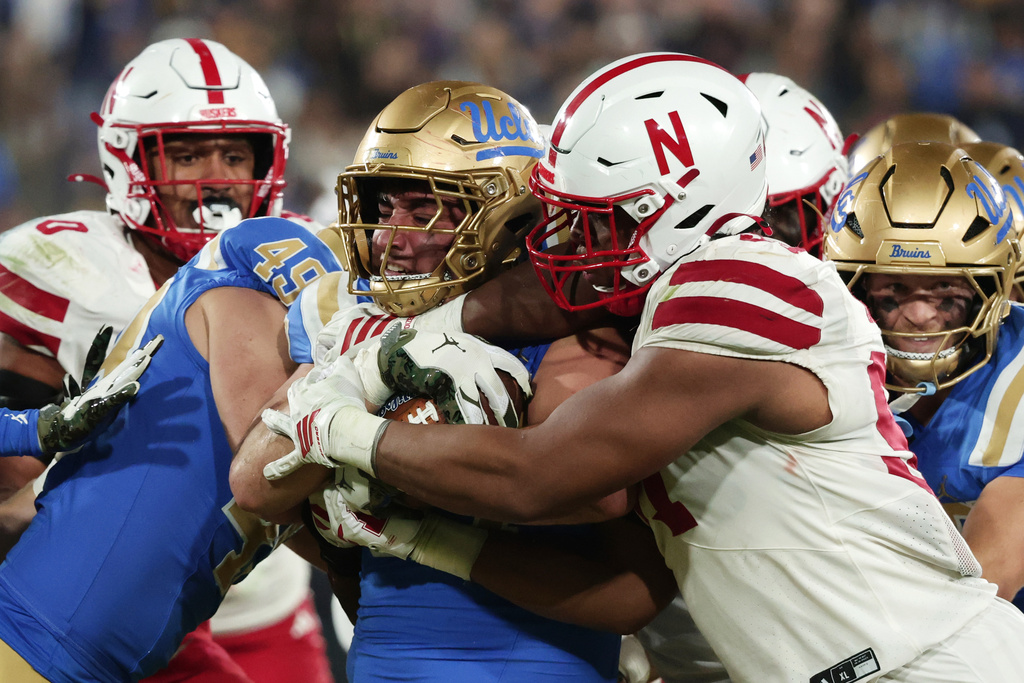
Big Ten OVERRATED - Nebraska Cornhuskers It feels like Nebraska gets hyped up every offseason and I'm still not completely buying it. Matt Rhule has definitely brought in a different brand of football to the program. But even with a highly touted prospect in Dylan Raiola at QB, Nebraska has concluded consecutive years with a 7-6 record.  The Huskers added 16 transfers with a ton of starting experience, including former UNLV/Virginia quarterback Anthony Colandrea. There's definitely depth on this roster. However, until Nebraska proves it can turn all of that potential into nine or ten wins, I think the expectations are a little too high. UNDERRATED - UCLA Bruins UCLA is probably my favorite sleeper team in the Big Ten. Bob Chesney comes over after going 21-6 at James Madison and leading the Dukes to a Sun Belt Championship and College Football Playoff appearance last season. Chesney also attacked the portal big time, bringing 40+ transfers while keeping Nico Iamaleava at quarterback. Eleven of those transfers are former JMU players who made the move with their HC. If Nico takes that long awaited huge step up this season, I wouldn't be surprised whatsoever if UCLA knocks off some big teams this season.  SEC OVERRATED - LSU Tigers There's no denying that LSU has talent. Lane Kiffin is one of the best offensive coaches in college football and he basically rebuilt his coaching staff after arriving in Baton Rouge, with several assistants following him over from Ole Miss. That being said, that's also why I believe that the expectations are getting a little too high. This is still Kiffin's first season and there are a lot of new pieces that need to come together immediately. LSU could definitely become dangerous later in the year especially with a fantastic QB coming in (Sam Leavitt.) I'm just not sold on them being an elite SEC team right away, considering all of the high flying teams that they'll have to play. UNDERRATED - Auburn Tigers Auburn might be one of the most interesting teams in the entire SEC. New head coach Alex Golesh brought in 39 transfers, including quarterback Byrum Brown, who followed him over from USF.  Golesh has proven that he can build a really good offense + Auburn desperately needed something different on that side of the ball. I'm not saying Auburn is suddenly winning the SEC, but, I firmly believe that people are underestimating this team. Alabama shouldn't count the Iron Bowl as a lock just yet, even in Tuscaloosa.  Big 12OVERRATED - Texas Tech Red Raiders Texas Tech is obviously a very good football team. The Red Raiders are coming off a school-record 12 wins and their first Big 12 Championship, so Joey McGuire deserves a ton of credit for what he's built in Lubbock. Having said that, repeating that type of result is completely different, especially at this day and age. Everyone in the conference is going to be chasing Texas Tech now and the expectations are massive.  The scandal with QB Brendan Sorsby was the talk of the offseason. Now, the Red Raiders will have to rely on Will Hammond, who had seven TD's and three INT's over the seven games that he threw a ball in last season. They even added former Florida State quarterback Tommy Castellanos. I still think they're quite good. I just don't think another 12-win season and Big 12 title should be treated like it's a guarantee. UNDERRATED - Kansas State Wildcats Kansas State is entering a completely new era with Collin Klein taking over for Chris Klieman. I actually love the hire. Klein is a Kansas State legend and previously helped lead some very productive offenses as the Wildcats' offensive coordinator. With the portal being as crazy as it is lately, the Wildcats went out and added 26 transfers. Avery Johnson staying in Manhattan gives Klein an experienced & extremely talented quarterback to build around nonetheless. There's definitely some risk with a first-year head coach. But, I think Kansas State could be one of the teams we're talking about this year inside the Big 12.  ACC OVERRATED - Virginia Cavaliers Virginia was one of the better stories in college football last season. However, just like Texas Tech, I'm not completely sold on them repeating that success. Tony Elliott deserves credit for turning the program around, although expectations have changed pretty quickly in Charlottesville. The Cavaliers added about 30 new transfers this offseason, including QB Beau Pribula, DB Omillio Agard & DE Devon Baxter. There's clearly expectations of a repeat this season. Replacing that many pieces & immediately expecting another huge season is asking a lot though. I think Virginia is still solid, just a little overrated.  UNDERRATED - Virginia Tech Hokies Virginia Tech is not only my favorite sleeper in the ACC. But, it's also one of my favorite sleepers in the country. James Franklin (previously at PSU) taking over in Blacksburg completely changes how I look at this program. A proven winner/excellent recruiter, he's already brought a completely different level of excitement back to VT.  The Hokies put together a transfer class that was ranked as high as fifth nationally by On3 and Franklin made the offensive line a massive priority. Tech also has Ethan Grunkemeyer battling at QB & returns DT Kemari Copeland, who earned preseason All-ACC recognition. I'm not expecting Virginia Tech to immediately become a playoff team. But, with Franklin running the program, I think the Hokies could be much closer to competing near the top of the ACC than people realize. 

Read more

Has Andrew Painter Finally Arrived for the Philadelphia Phillies?

by Team Del Genio

Monday, Aug 31, 2026

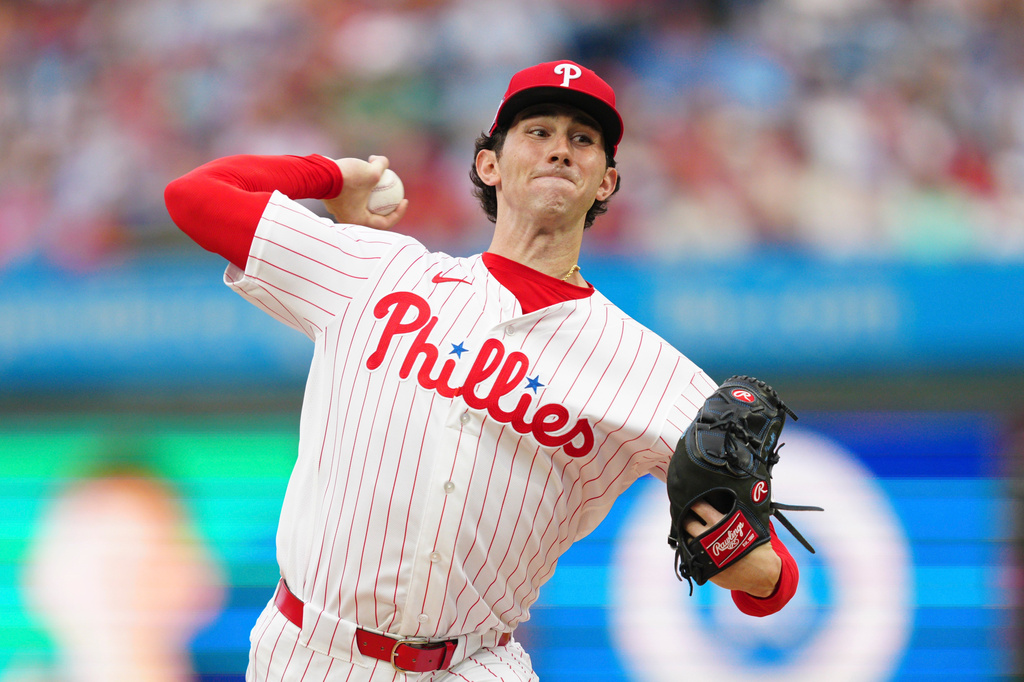
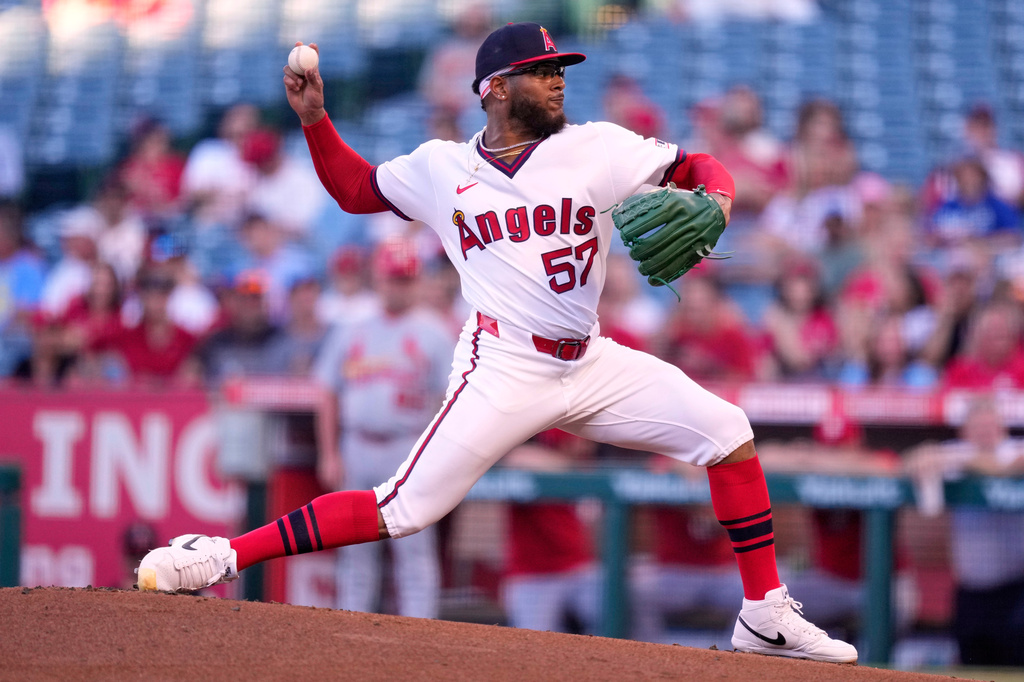
Last Saturday, the Los Angeles Angels were playing at home against the Philadelphia Phillies. They were expected to face the Phillies’ Andrew Painter. Some bettors may have thought it was a good underdog spot for the Angels given his 3-6 record, a 6.04 era and a 1.48 whip. The rookie right-hander was sent back down to the minor leagues after his start on June 17th against the Miami Marlins. He gave up six earned runs in only two innings in that outing. At the time, Painter had a 7.06 era and a 1.66 whip.Yet since being sent to the minors and then recalled on July 31st, he has been a different pitcher and is beginning to consistently meet his blue-chip prospect status. In those five starts heading into the date with the Angels, he had a 3.62 era and a 1.06 whip. Painter has made several adjustments along the way. He added depth to his sweeper by adding three more inches of drop on that pitch. He has tweaked his splitter into a true changeup. His splitter was being thrown at 87.4 miles per hour with up to 6.8 inches of drop. He was throwing his changeup at 90.9 miles per hour with only 3.9 inches of drop. This tweak is working. His strike rate with his changeup was 70.6%, which is in the top 99th percentile. He was too often trying to be cute with the placement of his splitter at the bottom of the strike zone given the dramatic drop in that pitch. Now he is throwing his changeup 23% of the time in his last five starts as a deception from his good fastball. He was getting an outstanding 38.5% putaway rate on his changeup since being recalled. Speaking of that fastball, his 96.2 miles per hour rate ranks in the top 78th percentile. He recently tinkered with his mechanics with this pitch by lowering his arm angle about five inches, and Painter says it is the best he has felt with that pitch since returning from Tommy John surgery. He was now getting up to 18 inches of vertical movement on the pitch, and his last four-seamer pitch registered 100 miles per hour on the radar gun last Saturday in his most recent start. He pitched seven scoreless innings in that outing against St. Louis while giving up only five hits and striking out eight batters. Even before these impressive adjustments, the right-hander has deserved better. His opponents' batting average of .313 on the batted balls against him was much higher than the MLB babip average of .287. His strand rate of 67.7% was too far below the MLB left-on-base rate of 72.4%. Painter struggled out of the gate by giving up three runs in the first inning. Yet he settled down and did not give up a run in the next five innings before leaving the game after the sixth. He only gave up two base hits and struck out six batters. As the final month of the regular season begins, Painter has a 3.78 era and a 1.02 whip in his previous starts since being recalled from the minor leagues. Philadelphia picked him with the thirteenth selection in the first round of the 2021 draft. His first half of the season was a major disappointment. Yet if Phillies fans had been told that he would put up a 3.78 era and a 1.02 whip in his rookie season, they would have been very happy with those numbers. After a bumpy start, he has made some effective adjustments. Andrew Painter may have finally arrived. Good luck - TDG.

Read more

NFL 2026-27 Preview, Part One -- 16 Questions and Thoughts for 16 AFC Teams

by Hollywood Sports

Monday, Aug 31, 2026

For the 16th straight summer, I invested time researching each NFL team to serve as the foundation for my handicapping in the fall and winter. What initially began as basic notetaking on some fundamental details for each team has become an arduous and detailed process for each team that derives from the reading and studying of multiple sources. Each NFL team now takes about two hours of preparation time as I add sources to my foundational work. To help document this work while crystallizing my thoughts for each team, I am providing a summary of each team highlighted by a critical question that will go a long way in their success or failure. Here is the AFC.BUFFALO BILLS: The Bills missed perhaps their best window of opportunity to finally reach the Super Bowl in the Josh Allen era. Kansas City was down last season, and Baltimore did not even make the playoffs. Yet after barely surviving in the wildcard round in a late comeback win at Jacksonville, they found another way to lose in the postseason in their heartbreaking 33-30 loss in overtime at Denver. In hindsight, the 2025-26 NFL season was one of transition — and Buffalo’s failure to reach the AFC Championship Game is part of that story. With Allen in tears in the locker room afterwards after yet another playoff disappointment, it was time to move on from head coach Sean McDermott. I think he is a good coach and often gets unfairly criticized. But sometimes change is necessary for simply the sake of change. A married couple can remain in love — but if they experience the heartbreak of a loss of a child, sometimes the reminder of that pain is too much to bear. It’s just too many vibes now in the playoffs with McDermott on the sidelines. That Buffalo team in Denver looked like they were waiting for something bad to happen to them. I suspect that if that 13-second Kansas City Chiefs miracle comeback does not happen in January of 2022, then the Bills go on to win that Super Bowl — and everything changes for this franchise. They returned that fall wound up very tight as if they could make amends and win the Super Bowl in September. But the team was not emotionally prepared for the long slog of a new journey — which for them included a mass shooting and two deadly blizzards impacting the Buffalo community all before Damar Hamlin almost died on the field that January in a Monday Night Football game. By the time of their showdown at home against Cincinnati in the AFC Divisional round of the playoffs, this team was out of gas, physically and emotionally. Despite hosting Kansas City in the playoffs the next year, they lost by a field goal in January of 2024. McDermott changed the identity on offense to focus more on running the ball (a move I applauded), but they lost yet again by a field goal to the Chiefs in the AFC Championship Game in January of 2025. With Patrick Mahomes, Joe Burrow, and Lamar Jackson cleared from their path to the Super Bowl, all the Bills had to navigate past was Bo Nix and then Drake Maye. With that failure, it was time for a change as Allen turns 30 years old. But general manager Brandon Beane may have gotten too cute by promoting offensive coordinator Joe Brady as their next head coach? Does he represent a symbolic break from the past culture? Beane wanted continuity on offense to remain — but does the rookie head coach have the chops to be a leader of men, which McDermott certainly was? Of course, Brady will continue to call plays on offense — and this only adds to the challenge of a rookie head coach who has never had the immense responsibility of game management. Admittedly, I don't have a great alternative out there that Beane should have hired -- I think the ideal candidate on paper was a veteran head coach on the offensive side of the ball (Jim Harbaugh would have been perfect, but they were two years too late), but the only one who fit that mold was Mike McCarthy, who seemed emotionally committed to take his dream job with the Pittsburgh Steelers. The offensive coordinator is Pete Carmichael Jr., who held the clipboard for Sean Payton for years as offensive coordinator for New Orleans while Payton called the offensive plays the majority of the time. The reviews were not glowing regarding his performance running the offense by himself for Dennis Allen when the Payton regime ended with the Saints. The defense will be run by former Bills safety Jim Leonhard. While Leonhard was considered an outstanding defensive coordinator during his time in college with Wisconsin, he has never called plays at the NFL level. He has been the passing game coordinator on defense for the Broncos the last two seasons. It is a concern that he is shifting the defense to a 3-4 since most of the defensive players were drafted or acquired for a 4-2/4-2-5 look. I suspect that Leonard will still keep some 4-3/4-2-5 looks in a hybrid scheme with his preferred 3-4 — but depth at the two interior linebacker spots is now an issue. Defense has been the area holding this team back. In their last six playoff losses with Allen under center, they have surrendered 33.2 Points-Per-Game. They scored 25.5 PPG in those six playoff losses, the tops in the NFL over that span, so it is tough to blame Allen or the offense for these setbacks. The Bills need to do better in stopping the run after surrendering 136.2 rushing Yards-Per-Game last season, ranking 28th in the NFL. They ranked second-to-last in run defense using the DVOA metrics by the Football Outsiders (now at FTN). Injuries played a role last year as Buffalo ranked 29th in the league in adjusted games lost to injury on defense — but that does not explain six years of defensive futility in the postseason. With four starters back on their very good offensive line and wide receiver D.J. Moore acquired in a trade with Chicago to provide Allen a veteran who can play the X role, the offense should remain strong. But this is basically the same story every year — except now the Bills have a rookie defensive coordinator at the NFL level, an unproven offensive coordinator when not taking his cues from Sean Payton, and a rookie head coach who played a major role in the old regime and culture. It’s not going to be terribly surprising if Buffalo continues to fall short in the playoffs, even with Allen under center. The vibes needed to change in Buffalo, but the options available to them at the time were far from ideal.CINCINNATI BENGALS: The Bengals missed the playoffs for the third straight season — and it was the third time in quarterback Joe Burrow’s last six seasons when an injury significantly impacted his playing time. He missed nine games last season, and Cincinnati stumbled to a 6-11 record. Turnover luck was certainly not on their side last year. Their 24 turnovers were the most for this franchise since 2014 — and they endured the second-highest turnover rate per drive in the NFL last season. They also were the victims of nine defensive touchdowns last year. They should see less harsh numbers in those categories this year. But the fact remains that the team has gone just 19-16 straight up in Burrow’s last 35 starts. The Bengals defense continues to be a significant liability.  The scapegoat last offseason was defensive coordinator Lou Anarumo, as he got fired and replaced by Notre Dame’s defensive coordinator Al Golden. Anarumo was well-respected in NFL circles — and he is doing just fine now running the Indianapolis Colts defense. Anarumo was the one who began deploying the two-high safety scheme to success against the Kansas City Chiefs in the second half of their AFC Championship Game back in 2023 that continued to stymie Mahomes for much of the following seasons. I think the wrong person was sacked. Cincinnati’s defense continued to hold them back last season. They allowed 380.9 total Yards-Per-Game which resulted in 28.9 Points-Per-Game, ranking 31st and 30th in the league, respectively. They were last in the NFL in Yards Allowed per Play, 27th in Success Rate Allowed, and 29th in Expected Points Allowed per Play. The DVOA defensive metrics by the Football Outsiders (now at FTN) ranked them the third worst defense. Rather than blaming everything on Anarumo, I thought the problem was the talent evaluation of general manager Dick Tobin. As I wrote in my deep dive last season: “My fundamental question with this team is whether “Blame Lou” is simply whitewashing the true critique to "Blame Duke." Director of Player Personnel Duke Tobin has drafted ten players in the first three rounds of the NFL draft since 2022. Yet players like defensive linemen Kris Jenkins and Myles Murphy, along with defensive backs Cam Taylor-Britt, D.J. Turner II, Dax Hill, and Jordan Battle have either underachieved or looked like outright busts entering the new season.” Having said all that, Golden did oversee improvements in the second half of the season. They did not allow more than 24 points in five of their last six games. After ranking last in Defensive DVOA in the first nine weeks of the season, Cincinnati improved to 13th in those metrics for the rest of the season — and this was the biggest improvement in Defensive DVOA in the second half of the season in the last decade. The evidence is muddy as to whether significant second half of the season improvements on defense carry over into the next season — although it may indicate that Golden found his legs regarding play-calling and player management in his rookie season as a defensive coordinator at the NFL level. Perhaps trading away defensive end Trey Hendricksen cleared the air and changed the dynamic in the locker room? Rookie linebackers Barrett Carter and Demetrius Knight, Jr. showed promise. Murphy enjoyed a breakout season. Burrow spent the closing moments of the 2025-26 season pressuring ownership to get out its checkbooks while subtly reminding them that he turns 30 in December. Tobin was given the green light to get aggressive in acquiring talent. His biggest splash was to trade away their first-round pick to bring in defensive tackle Dexter Lawrence from the New York Giants. Bringing in a stud 350-lb run stuffer and pass rusher who is just a year older than Burrow to replace the presence of Hendricksen was a nice start to push all the chips in. Tobin then signed defensive end Boye Mafe from Seattle and defensive tackle Jonathan Allen from Minnesota to revamp the defensive line around the emerging Murphy at the other defensive end spot. Tobin also signed free safety Bryan Cook from Kansas City. All this support could help the development of their pair of former Michigan first- and second-round draft picks, Daxton Hill and D.J. Turner, to meet their potential. One of the arguments defending the Golden hire was that Anarumo’s schemes are too complicated for a young defense like the current makeup on the Bengals roster — and Golden would be a better fit for this group. But Cincinnati led the NFL in missed tackles, suggesting fundamentals were either not being taught or not enforced effectively. But I can see Golden working. As I wrote last year: “He had previously served as the linebackers coach for the Bengals in 2020-21 before taking the gig with the Fighting Irish, running their defense in 2022. After establishing his bona fides as a linebackers coach, he served as the head coach for Temple from 2006 to 2010 before taking over running the Miami (FL) Hurricanes from 2011 to 2015. After he lost that job, I like that he went back to the NFL and coached on the other side of the ball as the tight ends coach for Detroit for a year before moving back to linebackers the next year. That tells me he is well-respected and a teacher at heart, given his willingness to learn a new assignment. He oversaw some great defenses at Notre Dame. The hope is that his attention to detail regarding fundamentals and player development with the Irish can translate to the NFL level with a Bengals defense desperate to tackle better and force more turnovers.” With a year under his belt and a significant increase in talent at his disposal, perhaps this defense can improve on its solid work in the second half of the season. On the other side of the ball, it is interesting that Burrow described the offensive line at the end of the season as the best one he has ever played behind. Third-round draft pick Dylan Fairchild became the starting left guard, and veteran Dalton Risner settled in at right guard after he was picked up in August. Former first-round pick Amarius Mims seemed to see the light in his second season. Frankly, left tackle Orlando Brown remains an issue — but if this offensive line can even be above average and the defense is improving, then it would seem anything could be possible with Burrow along with wide receivers Ja’Marr Chase and Tee Higgins leading their scoring attack. Finally, the one name not mentioned in these thoughts is head coach Zac Taylor. On the list of people to fire before Anarumo last year, his name would join Tobin. But Burrow backs him, so he stays. Fair enough. But if the Bengals do not make a deep run in the playoffs soon, he's next. CLEVELAND BROWNS: After six seasons under head coach Kevin Stefanski and an 8-26 record in the last two seasons, the franchise moved on to Baltimore Ravens offensive coordinator Todd Monken, who no other NFL team had interviewed for a head coaching position and seemed destined to follow John Harbaugh to the New York Giants. One would think that the obvious choice at head coach would have been defensive coordinator Jim Schwartz after he led the Browns to ranking fourth in the NFL by holding their opponents to 283.6 total Yards-Per-Game — and Schwartz had previous head coaching experience as he inherited an 0-16 Detroit Lions team and led them to the playoffs. But general manager and Executive Vice President of Football Operations Andrew Berry concluded that the continuity on defense could be continued and the need was on the other side of the ball after Cleveland ranked 30th in the league by generating only 262.1 YPG. Of course, the foundational problem with the offense — and the franchise — was the decision to invest $230 million in guaranteed money to a sex offender as your franchise quarterback. Deshaun Watson is on the fifth and final year of the worst contract in sports history — and he might be the team’s starting QB this season as he returns from his twice-torn Achilles injury. Is team owner Jimmy Haslem simply trying to tank to get the opportunity to draft Arch Manning? Haslem is a Tennessee alum and big booster who is also buddies with Payton Manning, so his privileged billionaire bona fides may feel his destiny is to get a Manning as his team’s quarterback — just in time for his new stadium in 2029. He has overseen an absolute train wreck of a football team that has had just four winning seasons in the last 27 seasons. Last year’s 5-12 squad was a statistical anomaly that ranked last on offense in Yards Gained per Drive yet first on defense in that same metric. But the decision not to promote Schwartz not only led to his leaving the organization, but it was one straw too many for future first-ballot Hall of Fame Myles Garrett, who demanded and received a trade out of town. The new defensive coordinator is Mike Rutenberg, who comes from a similar middle-of-the-field coverage conceptual scheme that Schwartz operates after serving as the passing game coordinator for the Atlanta Falcons defense the past few seasons — but he has never called the defensive plays in the NFL before. The Browns brought back the promising pass rusher Jared Verse along with draft picks from the Los Angeles Rams in the Garrett deal — but it is tough not to expect that unit to take a step or two back this season. Perhaps the offense will improve after the offensive line was almost completely overhauled with only right guard Teven Jenkins likely back as a starter. Cleveland added three veteran offensive linemen via trade or free agency and then drafted three more rookie offensive linemen, including left tackle Spencer Fano in the first round of the NFL draft. While that unit probably cannot get worse than last year’s group that allowed 51 sacks and contributed to a rushing attack that gained just 3.9 Yards-Per-Carry, cohesion and chemistry must be first established, even if the talent is improved. Of course, Monken is calling the plays on offense despite his only head coaching experience being when he was the head coach at Southern Mississippi for three years more than a decade ago. Rutenberg and offensive coordinator Travis Switzer are also rookies regarding their new job responsibilities. Perhaps Haslem knows exactly what he is doing — save for the part that there is no guarantee that Arch Manning will declare for the NFL draft in the offseason, especially if it is the Browns with the first pick in the 2027 NFL draft. DENVER BRONCOS: I was unsure what to make of the Broncos after my deep dive into this team last year. I was impressed with the continued improvement of this team under head coach Sean Payton — he deserved credit for leading this team back to the playoffs for the first time since their Super Bowl-winning 2015-16 season. His team did this despite posting a Broncos’ 1-6 record in games decided by one-scoring possession — and I indicated that “would be something I would expect to even out over time by the Regression Gods.” Well, those Regression Gods moved fast as Denver went 12-3 in games decided by one scoring possession last season — if not for the ankle injury to quarterback Bo Nix in their overtime victory against Buffalo, they may not have lost at home against New England by a 10-7 score in the AFC Championship Game with backup Jarrett Stidham under center. I’m not sure the Broncos would have been much more competitive — even with Nix — in the Super Bowl against the Seahawks. They were just fifth in the AFC with their +90 net point differential for the season. In beating the Bills at home in the AFC Divisional round, they got outgained by 100 yards but benefited from five Buffalo turnovers. They went three-and-out in their first possession in overtime. When getting the ball back after a Josh Allen interception, they were gifted two defensive pass interference penalties accounting for 47 yards to put them in field goal position for the winning kick. On the season, seven of their victories were by four points or less. They only had three decisive victories by double-digits — and two of those wins were against Cincinnati with Jake Browning at quarterback and the Los Angeles Chargers using Trey Lance under center in a meaningless game for them in the final week of the regular season. Entering the fourth season under Payton, there are a few things that we know. The Denver defense is outstanding — and it is a failing of the imagination of the decision-makers in the league that defensive coordinator Vance Joseph has not been given a second chance as a head coach (well, I guess there is always another Kubiak, LaFleur, or someone else who sat at Sean McVay’s lunch table once). The Broncos surrendered just 278.2 total Yards-Per-Game resulting in 18.3 Points-Per-Game, ranking second and third in the NFL. Their 68 sacks broke a franchise record, with defensive end Zach Allen finally being named an All-Pro. He leads the NFL in hits on the quarterback the last three seasons. Nine starters are back from that unit — and they may not have reached their ceiling yet since they only forced 14 turnovers last season, one shy of being the fewest in franchise history. They should definitely get more takeaways this year. Furthermore, the offensive line may very well be the best in the NFL. Payton immediately fixed this problem when taking this job — and all five starters are back for the third straight season. With their three best backups on the offensive line also back for a third straight season, the chemistry and continuity of this group is excellent. Perhaps it is the state of the defense and the offensive line that compelled Payton to make very few changes to the roster for this season. Frankly, I don’t think I have ever seen fewer additions to a roster from year-to-year. The Broncos almost completely avoided the free agent tax that good teams endure in the offseason. Considering that deadweight Russell Wilson contract is finally off the books, the lack of activity is testament to what a great job Payton and general manager George Paton have done in their rebuild. The big splash Payton made was acquiring wide receiver Jaylen Waddle from Miami for a first- and third-round draft pick. The expectation is that his speed and ability to catch balls in the middle of the field will open up the passing game. Besides that, Denver signed only two free agents to offer depth on defense. They drafted another seven rookies in the April draft, although three of them were picks in the seventh round. There is still room for growth as several of the high-round draft picks from last season have yet to seize the starting job. It’s a great situation, on paper, yet this team will still only go as far as Nix can take them — and that remains a significant question. Just how high is the ceiling for him? There are reasons for optimism. In my deep dive last year, I concluded: “Denver scored only 14.3 PPG against these above-average defenses with a negative DVOA (the efficiency metric used by the Football Outsiders) number. Against below-average defenses with a positive DVOA, the Broncos scored 29.5 PPG. That is a major red flag suggesting that this was an offense that thrived against bad defenses and that Nix’s best moments were during positive game scripts when Payton could dial up pass plays when the defense had to respect the Denver rushing attack.” That issue was definitely addressed last season as Nix was often at his best in clutch situations. He orchestrated seven successful winning drives last year. He has led the team to 24 regular season victories in the last two seasons. On the other hand, he ranked just 26th in the league in Passer Rating and 25th in Passing Success Rate. He also ranked just 17th in Expected Points Added per dropback. He struggles to execute passing plays in play action. One big change on offense is that Payton is handing off most of the play-calling duties to new offensive coordinator Davis Webb. In theory, it’s a risky move since Webb lacks play-calling experience in the NFL. On the other hand, Webb has been the quarterback’s coach for Payton since Year One in Denver and was highly coveted around the league — so the promotion and added responsibilities were necessary to keep him around. I love the move. I think almost every one of these “offensive” head coaches who continue to call plays is doing their team a disservice. Payton made two significant game management mistakes in the AFC Championship. Being a head coach is a full-time job — so Payton taking some things off his plate while trusting his deputies is smart. And I just don’t think it will impact anything if the “offensive genius” has to have his fingerprints on every single action of the offense. I’m confident that when it is third-and-five in a two-minute drill in the fourth quarter for a “gotta have it” play, that Payton may exert his executive authority to call the play. And I’m quite sure that Payton will remain heavily involved in designing the offensive game plan and call sheet for each game. Letting Webb handle second-and-six will not cause the planet to stop spinning on its axis. The change may help Nix. One of the reasons for the change was that Payton admitted that he was taking too long to get the play into Nix. Webb’s directive is to get the play into Nix faster. Perhaps the reason why Nix performed better in clutch situations last season was that Payton did not have the time to recite the playbook bible as if he was still communicating with Drew Brees in the final seasons of his Hall of Fame career. Webb was a journeyman backup quarterback in the league after a solid collegiate career. He may better identify with what Nix needs at the line of scrimmage. Yeah, this is a mature move — I really like it. Every year, I think the Broncos are getting better under Payton — but that does not guarantee continued improving results. Only the 2022 Minnesota Vikings and the 2024 Kansas City Chiefs had 11 victories by one-scoring possession like Denver did last year. That Vikings team went from 13-4 that season to 7-10 the next year while the Chiefs dropped from 15-2 two seasons ago to just 6-11 last year. Like last offseason, I remain unsure as to what to really make of this Broncos team.  HOUSTON TEXANS: Any and all understanding of this Texans franchise starts with taking a closer look at general manager Nick Caserio. In my deep dive on this team last season, after observing that Caserio drafted two wide receivers from that passing game juggernaut that is Iowa State before drafting two USC players in a row, I decided to do some digging. I discovered that of the 41 draft picks he made in his first five seasons as Houston’s general manager, 40 of them were from Power Four or Five conferences, with the lone exception being a player from Notre Dame (who do not play in a conference as an independent). It was bated breath that I followed Caserio’s 2026 draft — and the dude did it again! Eight draft picks — and eight more Power Four conference players chosen. For those keeping score of his  49 draft picks in his six drafts, 48 came from Power Five/Four conference programs and the other came from Notre Dame. As I wrote last year at this time: “I get it: the better athletes play at Power Four/Five conference schools. But the other 31 teams in the NFL get that too! It’s not a secret. In an NFL where players like Maxx Crosby and Bobby Wagner came from non-Power Five conference schools, not taking more chances on those players seems like missing opportunities for high-end returns.” A year later, I will add this point: game theory would at least beg Caserio to blow a sixth-round pick on the Boise State player the highest on the draft board, just to throw off your competition that your scouting consists exclusively of watching college football games broadcast on CBS or ABC. Even a monkey randomly jabbing at the keyboard would take a stab at a North Dakota State player, and that 100th monkey might even uncover Jerry Rice. Is this laziness? Arrogance? Dogmatism? Is it possible that after serving as the Personnel Director for Bill Belichick with the New England Patriots for 13 seasons, someone might have developed these negative characteristics?!? Unfortunately, I fear that this is emblematic of Caserio's regime as the general manager of this football team. The offensive line remains a disaster. Two years ago, Caserio invested $52.3 million to upgrade the offensive line, the sixth most in the NFL. That venture was almost a complete failure as the team went into last season with four new starters on the offensive line. But after bottoming out in a 28-16 loss at New England in the AFC Divisional round of the playoffs, Caserio reshuffled again with two more draft picks and three more free agents for a unit that will have at least three new starters. The last time the Texans had all five primary offensive linemen return for a second consecutive season was in 2018. Since quarterback C.J. Stroud was drafted, there have been 20 different starters on the offensive line. Here is the statement Caserio made after the 2025 draft when responding to criticism that he did not do enough to fortify the offensive line in last April’s draft: “The whole perception, well, you need this position, you need that position, I mean, that’s made up; we don’t approach it that way. … This whole concept of drafting for need, honest to God, I don’t even know what it means.” Uhh, wut? Frankly, this guy is dumb as dirt or full of shit — and maybe both. So, sorry, but when such an incurious approach to player evaluation in the draft is combined with abject failure after abject failure on the offensive line — while making arrogant and dogmatic comments like that — well, I begin to start losing confidence. On the subject of losing confidence, Stroud enters his fourth season in the league coming off a disastrous effort in the playoff loss to the Patriots. In throwing four interceptions in that game, he looked shell-shocked to such a point that benching him in the second half should have been on the table. I’ll step back and play Devil’s Advocate defending him. Injuries meant he was playing without both wide receiver Nico Collins and tight end Dalton Schultz. The offensive line could not establish any semblance of a running game. Perhaps Stroud thought he had to put the entire offense on his shoulders — and that led to mistakes. He did do a better job in the regular season of reducing negative plays, so perhaps this was only an aberration. But he is not going to be able to hide from a postseason that featured five interceptions and another five fumbles (two turnovers). The Football Outsiders (now at FTN) Defensive-Adjusted Yards Above Replacement passing metric rated Stroud’s postseason as the worst in NFL history. Stroud has regressed from his nice rookie season. In that year three years ago, he posted a 13.2% Pass Explosion rate and a 4.8% Highlight Play rate. Last season, his Pass Explosion rate was only 9.2%, and his Highlight Play rate was 2.4%. Certainly, some of that should lie at the feet of first-year offensive coordinator Nick Caley. According to the Football Outsiders’ DVOA efficiency numbers, the offense was better last year. But their 327.0 total Yards-Per-Game average was just +7.3 net YPG above the final year under offensive coordinator Slowick. What was most evident was not just that Caley lacked an effective counter-punch when defenses like New England exposed them; it’s that he lacked even a Plan B when Plan A was clearly failing. Was the problem his lack of creativity? Was the problem the lack of depth on the offensive roster, despite all those Power Conference draft picks? Was the 2024 Iowa State offensive playbook unavailable for that playoff game? Something’s gotta give here — because the unit that is not giving much room is the defense. Led by All-Pros Will Anderson and Danielle Hunter at both defensive ends along with All-Pro cornerback Derek Stingley, Jr, this unit is oozing with talent. With Kamari Lassiter and Jalen Pitre joining Stingley in their base 4-2-5 look, Houston has the best trio of cornerbacks in the league. Adding former Philadelphia Eagles captain Reed Blankenship at strong safety was a nice touch (but don’t tell Caserio that Blankenship comes from Middle Tennessee). Caserio deserves his flowers for his role in helping construct this defense. He was aggressive in signing Detroit Lions running back David Montgomery in free agency. While the Iowa State alum fits the Power Conference template, he was needed because USC running back Woody Marks was not ready for full-time snaps at the NFL level after being drafted in the fourth round last season. I turn to head coach Demeco Ryans as he enters his fourth season. Too often, he smiles like he just got away with stealing a cookie from the cookie jar when a coin flip goes his way. For me, it’s a tell that he does not expect to win, as if he is the anti-Mike Tomlin. It looks like moments of wonderment of imposter syndrome, as if he somehow coaxed a better poker player to fold his or her hand. Watch him sometime. It’s as if he is surprised he got away with it (as opposed to Tomlin, whose dead stare would just grow colder as if finally catching a break only reminds him of all the bad breaks that unfairly went before him). Impostor syndrome is an interesting way to remember Stroud’s face amidst his disastrous fourth interception against the Patriots. And impostor syndrome may be the apt way to describe a general manager who lacks the confidence to assess collegiate talent, so he tries to play it safe with the Power Conferences. The Texans defense is no impostor. But perhaps the dirty little secret is that Caserio is self-aware enough to know he lucked his way into Stingley, Jr. and Anderson meeting their sky-high potential as first-round picks? The defense is their ace — and as Caserio once again discards his remaining four cards on the offensive line and tries his luck with new cards, will this time finally be different? But can the quarterback rebound from the psychic damage that this five-card draw strategy has already inflicted? INDIANAPOLIS COLTS: Frankly, I’m a bit befuddled by this football team, which leads me to the default position of healthy skepticism. Their last postseason victory was in 2018. More of the same, and one would think that general manager Chris Ballard would be relieved of his duties and a new GM would replace Shane Steichen with their own choice at head coach. Ballard's drafting lately has produced some solid starters along with some flops — but not many home runs. The result is a team that has gone 25-26 in the three seasons under Steichen after last year’s 8-9 record. Benefiting from a soft early-season schedule, the Colts raced out to a 7-1 record. But as the opponents got more difficult, the injuries began piling up. Indianapolis would lose eight of their last nine games. Was that a result of inevitable regression or a by-product of mounting injuries? In 2024-25, the Colts had an 8-5 record in games decided by one scoring possession — they got outscored by -2.9 Points-Per-Game and got outgained by -26.4 net Yards-Per-Game. Last season, they had just a 3-7 record in games decided by eight points or less and outscored their opponents by +3.2 PPG. That looks like genuine progress. However, the underlying metrics suggest quarterback Daniel Jones had an unusually favorable start with his new team before reality hit midseason. In the first seven weeks of the season, Jones posted an all-time DVOA passing number when under pressure, if extended back to the full season, back to when they began measuring that statistic in 2010 (DVOA is the passing efficiency metric created by the Football Outsiders, now at FTN). But, in practice, that great efficiency may have simply been a strange mix of luck and opponents not respecting Jones in those situations. From Week 8 to the end of the season, Jones plummeted to 34th in the NFL amongst qualified passers. From the ninth week of the season until his season-ending injuries, he only completed 61.9% of his passes with just an 86.6 Passer Rating, six touchdown passes, and four interceptions. The 24/7 Sports Media Industrial Complex is so quick to either anoint or banish NFL quarterbacks — can we please apply these same standards to these “journalists?” The truth is that Daniel Jones was never as bad as his worst detractors when he was with the New York Giants — but he is probably not as good as his best moments with the Colts early last season. That leaves Indianapolis with a decent if unspectacular player on under. The offense still has Jonathan Taylor at running back and a quality offensive line that returns four of their five starters. The defense loses seven of their top 12 players in terms of snap count. The hope is that a healthy cornerback duo of Charvarius Ward and Sauce  Gardner, who missed 14 combined starts last year, will improve a defense that ranked tied for 30th in the league by surrendering 247.9 passing YPG. After trading linebacker Zaire Franklin to Green Bay, they need rookie C.J. Allen from Georgia and free agent signee Akeem Davis-Gaither to step up. The defensive line lost Kwity Paye and Samson Ebukam to free agency. Former first-round pick Laiatu Latu and free agent signing Arden Key (on his fourth team in his career) are hoped to be the answers. Yeah, I don’t know — which means assessing their early-season performances will be even more at a premium.  JACKSONVILLE JAGUARS: After two straight winning seasons, the Jaguars plummeted to 4-13 in the 2024-25 season. There were reasons to suspect that was an unfair record given that they only forced nine turnovers and ranked 29th in the league with a -15 net turnover margin. Well, the Regression Gods may have overreacted last season as Jacksonville was second in the NFL by forcing 31 turnovers — and their +13 net turnover margin was the third-best mark in the league. Certainly, rookie defensive coordinator Anthony Campanile deserves credit for orchestrating a more opportunistic defense. But it is probably overly ambitious to not expect some regression in this area this season, even if a return to their unreasonably harsh turnover numbers from two years ago is unlikely. But the problem for the Jaguars is that their margin of error was so thin last season. Despite their 13-5 record, they only outgained their opponents by +33.8 net Yards-Per-Game, akin to a team with a 10-7 record. They benefited from +3 net close victories by one scoring possession before their 27-24 loss at home against Buffalo in the AFC Divisional Round of the playoffs. On the plus side, head coach Liam Coen did help quarterback Trevor Lawrence enjoy the best season in his five years in the league. Lawrence passed for 4007 yards with 29 touchdown passes and 12 interceptions. Perhaps even more importantly, he was able to get Lawrence to run the ball more for strategic first downs. He averaged 4.4 Yards-Per-Carry and scored nine touchdowns with his legs. Under Coen’s guidance, Lawrence’s fundamentals and footwork improved, as did his confidence. Jacksonville won their last eight games in the regular season while ranking eighth in the league in Offensive DVOA using the metrics by the Football Outsiders (not at FTN).  Lawrence ranked fifth of all NFL QBs in Offensive DVOA from Week 13 to the end of the regular season. The improvement can be attributed to Lawrence’s growing comfort in operating  Coen’s kill-and-change at the line of scrimmage philosophy on offense. Acquiring wide receiver Jacobi Meyers from Las Vegas in a trade and getting Brian Thomas, Jr. back from injury helped as well, since it gave the Jags three legitimate wide receiver targets for  Lawrence down the stretch. The defense ranked third in Defensive DVOA in their final eight games as well. It was a unit that led the NFL by only giving up 85.6 rushing Yards-Per-Game. With excellent run stoppers, defensive tackle DaVon Hamilton and defensive ends Travon Walker and Josh Hines-Allen, Jacksonville should remain stout against the run. The expectation is that Travis Hunter will dedicate most of his time to playing cornerback and only occasionally taking part with the offense as a fourth wideout. That is wise. Pass rush is a concern as the Jaguars only registered 32 sacks last year, ranking 27th in the league. But this is a team that did not do much in the offseason to improve the roster. Perhaps second-year general manager James Gladstone simply felt handcuffed by over $50 million in dead salary cap money that needs to be eaten this season. Second-team All-Pro Devin Lloyd, along with cornerback Greg Newsome and running back Travis Etienne Jr., were all lost in free agency last offseason — and the only significant free agent signing was running back Chris Rodriguez Jr. from Washington, whom Coen coached in his one season as the offensive coordinator at the University of Kentucky. Gladstone is a 35-year-old supposed wunderkind who can sound like what one would expect ChatGPT to regurgitate if prompted to relay what a know-it-all NFL GM would say to the press when questioned on his personnel decisions. Perhaps Gladstone is truly the smartest person in the room. But nine of his 10 draft picks in April were considered reaches (while Gladstone waxed poetic about the inherent value of four of those players being former walk-ons). By itself, I would not be too worried about defying the conventional wisdom groupthink that is the NFL Draft Media Industrial Complex. But after trading two first round picks along with second round pick and a fourth round pick to move up to snap Hunter as the number one pick in last year’s draft (while blathering something about the boundaries of football were met to be challenged, albeit for only one season, given their more conventional plans for Hunter this season), they only got him for seven games and 491 combined snaps on both sides of the ball last year — and there other rookies only started three combined games for them last season. This then leads to a final point. While Coen seems to have done a fine job last season, he has assembled a very young and inexperienced brain trust. Now 40 years old, Coen was able to maneuver the firing of previous general manager Trent Baalke (a good move) before taking the job and then signing off on the hiring of Gladstone, who was the Los Angeles Rams Director of Scouting Strategy at the time. 30-year-old offensive coordinator Grant Vdinski had not called plays before last season — and neither had the 43-year-old Campanile on defense, the elder statesman of the group. Last year was a big success for these folks — but if and when adversity hits, will this group have the wisdom and experience to respond appropriately and effectively?  LAS VEGAS RAIDERS: After a 3-14 campaign, the Raiders decided it was a mistake to hire the 73-year-old Pete Carroll as their next head coach. In theory, bringing in the former Super Bowl-winning head coach was an attempt to professionalize the building (just down the road from the Hollywood Sports offices). As someone who was always a strong critic of the “Let Russ Cook” brigade, I found Carroll to be underrated — even after he devastatingly and overwhelmingly won the Russell Wilson trade to Denver. There is nothing like failed nepotism to make me sour on someone — and Carroll installing his underqualified son, Brennan, as his offensive line coach did it. In my deep dive on this team last year, the offensive line unit looked mediocre, at best. But after a season-ending injury to left tackle Kolton Miller and ongoing injuries to center Jackson Powers-Johnson, the Raiders’ offensive line quickly became outmatched in talent. The offensive line coach gifted into his position of authority was not qualified to coach up the remaining players. It got so bad that by the end of the season, quarterback Geno Smith, running back Ashton Jeanty, and the healthy offensive linemen were holding subterfuge meetings away from the coaches just to get on the same page. Everything about the Las Vegas offense last season needs to be taken through the lens of utter dysfunction and lack of talent on their offensive line. Jeanty should be better. Tight end Brock Bowers should be better. Of course, it’s not a great look for second-year general manager Johny Spytek or the supposedly ever-present guru of the franchise, Tom Brady, that a year was wasted trying to mix Carroll’s desire to “win now” with the massive rebuild this franchise needs as it attempts to recover from the massive grift which was the Jon Gruden era on the strip in Las Vegas. Everyone seems to be on the same page now, which is to do everything within the lens of developing the first pick in the NFL draft, quarterback Fernando Mendoza. I recognize and appreciate the moxie, the football intelligence, and the accuracy with his passing. Do I see red flags from his seeming constant awareness of where his key light is before he recites the Bull Durham scripted answers to the predictable questions? We’ll see if this illuminates a real concern. The Brady and company brain trust at least appreciated the fundamental problem on the offensive line. After running the offense that helped Seattle win the Super Bowl, first-year head coach Klint Kubiak hired Rick Dennison, who is considered one of the best offensive line coaches in the business. The brain trust also gave Baltimore’s Tyler Linderbaum the highest free agent contract ever for a center to help solidify the position. With Miller and Powers-Johnson (moving to left guard) healthy again, the hope is that Dennison can coach up five players on the depth chart who were drafted in the first three rounds of the last three drafts. I’m skeptical that free agent signee Jalen Nailor is a legit WR1 in the league — but a passing attack that runs through Bowers first and is not afraid to deploy 12 personnel with two tight ends on the field could be interesting with Nailor on the field. The defense was underrated last season by ranking 14th in the league by holding their opponents to 317.8 total Yards-Per-Game. After the attempted trade debacle of defensive end Maxx Crosby, the pass rusher is back and complemented by a slew of free agent pickups management made immediately after that trade before Baltimore pulled out when Crosby failed his medical test. They lost four-year defensive coordinator Patrick Graham, who took the same job for the Pittsburgh Steelers. Promising defensive line coach Rob Leonard was elevated to defensive coordinator, but this is the first time he is calling the plays. Moving from a 4-2-5 base formation to a 3-4 presents another challenge. This is the fourth Raiders’ head coach in the last four seasons, somehow. There are plenty of reasons as to why “this time it’s different”, although that mantra was prevalent from going from Gruden to Josh McDaniels to Antonio Pierce to Pete Carroll since 2022. And, of course, Gruden was supposed to have bagged at least one Super Bowl by 2026, right? So, a healthy skepticism of what this franchise is doing under owner Mark Davis is well earned. LOS ANGELES CHARGERS: On paper, there are plenty of reasons to be excited about the Chargers for the 2026-27 season. After having to deploy a whopping 32 different configurations on the offensive line due to the season-ending injuries to starting tackles Rashawn Slater and Joe Alt, both are expected to be healthy for the start of the regular season. After signing center Tyler Biadasz and right guard Cole Strange in free agency, adding two more offensive linemen for depth in free agency and drafting two rookies in the first four rounds of the NFL draft, the expectation is that a liability will finally become a strength up front for quarterback Justin Herbert, who took a career-high 54 sacks last season. Third-year head coach Jim Harbaugh also hired former Miami Dolphins head coach Mike McDaniel to run the offense. While McDaniel may have failed as a head coach, he remains well-respected as an offensive mind from the Kyle Shanahan coaching tree. More motion and creativity in an up-tempo offense should make things easier for Herbert to get the ball in the hands of play-makers quicker. The defense must replace defensive coordinator Jesse Minter — but Harbaugh turned to Chris O’Leary, who worked under Minter as the safeties coach for the Chargers two seasons ago before running Minter’s scheme as the defensive coordinator last year at Western Michigan. Minter’s career development was similar, as he worked under defensive coordinator Mike Macdonald at Michigan before getting promoted to the defensive coordinator position (when the Wolverines won the national championship) before leaving with Harbaugh to the NFL with the Chargers. But Los Angeles has not won a playoff game in six seasons — and Herbert has thrown only two touchdown passes in his three postseason starts in his career. It seems like it was a blown opportunity in last year’s playoffs to not take care of business against New England — instead, they lost by a 16-3 score before the Patriots then got favorable matchups against Houston and then Denver, relying on a backup quarterback to reach the Super Bowl. Despite their 11-7 record, the Chargers only outscored their opponents by +1.6 net Points-Per-Game. They won six of their eight games decided by one scoring possession. While they look like a contender to win the AFC, the margins have been thin — and Herbert has underachieved in the postseason. MIAMI DOLPHINS: The long rebuild for this Dolphins franchise begins this season. I thought the writing on the wall was already apparent in my deep dive of this team last year. The die was probably cast when the organization extended quarterback Tua Tagovailoa’s contract in the summer of 2024, despite having the option of putting the franchise tag on him to kick the can down the road for up to two years. After the 2024-25 season, when his five-year contract expired, the decision would probably have been made not only to not offer him a new deal, but they probably would not have even bought one more year by putting the franchise tag on him. The team was simply not realistic about his value given his serious history of concussions. Head coach Mike McDaniel tried to scheme his way around the problem to keep Tagovailoa safe — but that necessarily put limits on his play-calling. Furthermore, Tagovailoa rarely uses his legs to garner first downs as well, given the inherent injury risk of being a ball carrier. It was attempting to operate an offense with one hand tied behind its back. Now McDaniel has been fired along with general manager Chris Grier after seven seasons, who was ultimately responsible for drafting Tagovailoa before Justin Herbert, Jordan Love, and Jalen Hurts and then extending his contract. The new plan appears to be to transform the Miami Dolphins into the Green Bay Packers South (because of all their recent Super Bowl appearances?). Long-time Green Bay executive Jon-Eric Sullivan, who was mostly their Vice President of Player Personnel, was brought on as their next general manager. He poached the Packers’ defensive coordinator Jeff Hafley as the team’s next head coach. It was just three years ago that Hafley was the head coach at Boston College. The Packers' philosophy is to build a roster by emphasizing the draft and player development. Hafley wants the identity to reflect toughness and physicality. Sullivan inherited a whopping $179.5 million in dead cap money this season — that represents 59.6% of the salary cap. Seven former players are getting paid at least $10 million in dead cap money this season — and only two players on this year’s roster represent cap hits of at least $10 million this year. Good luck trying to be competitive with only 40.4% of the salary cap available to construct a roster. This explains why Tyreek Hill was released, and Jaylen Waddle was traded to Denver, but it leaves the wide receiver room thin. In keeping with the Packers’ theme, Sullivan signed Green Bay backup quarterback Malik Willis as a free agent. The former second round pick played better after escaping Tennessee for the Packers. In limited time on the field the last two seasons, he completed 78.7% of his passes for 972 yards with six touchdowns and no interceptions. When he was on the field during those two years, the Green Bay offense generated 6.4 Yards-Per-Play, ranking higher than San Francisco’s league-leading 6.3 YPP average last season. No one disputes his big arm. His accuracy has improved — and he brings a legitimate dual threat with his mobility. It will be up to new offensive coordinator Bobby Slowick to put him into positions to succeed like Green Bay head coach Matt LaFleur was able to do — but asking  Willis to be a full-time starter, especially given the limitations at the skill positions, is a much different challenge than the change of pace he offered the Packers when Love got injured. Slowick needs to demonstrate he picked some things up from McDaniel after being the passing game coordinator here after getting fired as the offensive coordinator for the Houston Texans. He lost that job because of predictable play-calling and a failure to make adjustments when things were not going well. The offensive line has potential with second-team All-Pro Aaron Brewer and former second round pick Patrick Paul returning for his third season at left tackle — and Alabama’s 6’7 Kadyn Proctor was drafted in the first round to play left guard. The defense will be very young after linebacker Bradley Chubb and safety Minkah Fitzpatrick were not retained. I don’t love that Hafley is calling the plays on defense since he already has enough on his plate making the transition to NFL head coach. With $55 million of dead cap money still on the books next season, his priority should be simply overseeing enough improvement that he is still around for the 2028-29 season.  NEW ENGLAND PATRIOTS: The iron was hot to smash the Seattle Seahawks against the Patriots in the Super Bowl — and it was our NFL Game of the Year. My considerable concerns about the Patriots' regular season schedule were not assuaged during their playoff run — and I thought Drake Maye was overrated, given his MVP considerations after watching him in three playoff games. New England was gifted a second-half blizzard against backup quarterback Jarrett Stidham, who had not played in two seasons before the AFC Championship Game. Not only did the Patriots enjoy the easiest regular season schedule this year, according to the DVOA metrics by the Football Outsiders (now at FTN), but their opponents represented the third-easiest slate of games in hindsight, going all the way to 1978. They set an NFL record by playing 14 opponents that ended the season with a losing record. Only Pittsburgh (in Week Two) and then their pair of games against Buffalo presented opponents that finished the season with a winning percentage over .500 — and the Steelers did not exactly sport the Greatest Show on Turf with their offense. Eleven of their 14 regular season victories came against quarterbacks who were either rookies, backups, or starters who eventually got benched: Quinn Ewers, Brady Cook, Justin Fields, Dillon Gabriel, Spencer Rattler, and Tyler Huntley. Their Red Zone defense ranked 31st in the NFL. Their Run Defense DVOA ranked fifth in the league through the first nine weeks — but that unit dropped to 18th in that metric since (before the AFC Championship Game blizzard). Let’s then contextualize the Patriots’ three playoff victories. The Los Angeles Chargers were the lowest-rated team of all the AFC squads that made the postseason — and the score was still 9-3 with ten minutes left in the fourth quarter before New England scored their final touchdown. It was a prehistoric rock fight before the Chargers’ injuries on the offensive line were simply too much for them to overcome. The Patriots were 0-for-5 in the Red Zone, which continued their mediocrity inside their opponent’s 20-yard line, where they ranked 15th in DVOA. New England only managed 248 total yards. Then, in their 28-16 victory against Houston, they only managed 248 total yards in a game where the Texans’ quarterback C.J. Stroud hit rock bottom with four interceptions. New England deserved some credit for disrupting Stroud — but those who watched the game also know their eye-test suggests he was a disaster. That leaves us with their victory against the Broncos, where they scored their only touchdown after Stidham’s amateur mistake of trying to force an incomplete pass instead of taking the sack, which resulted in a devastating turnover deep in their end. Denver head coach Sean Payton had previously passed up an easy field goal attempt to make the score 10-0. The Patriots secured a 23-yard field goal in the snow midway through the third quarter — and stopping a backup quarterback in a blizzard secured their place in the Super Bowl, despite them gaining only 206 yards. Taking the cumulative win percentage of New England’s opponents last season, there had been only two teams to win the Super Bowl with a lower number than their -4.49 mark.  And then there was Maye, who was a fine second-year quarterback with an extremely bright future. But his MVP case was on the back of (a) getting to play a slew of losing teams and (b) the lack of compelling alternatives in this transition year in the league. He then added more evidence to my suspicion in New England’s first three playoff games that many of the folks who talk or write about the NFL do not bother to actually watch the games. Maye’s baseline numbers against the Chargers in the AFC Wildcard round looked solid — but his Success Rate in the passing game of 42% was the lowest since early November. He needs to send Houston Texans quarterback C.J. Stroud birthday cards as a perpetual “thank you” since that nightmare performance offered him cover for his four fumbles and an interception in that game. That performance was telling since it was the first time all season he played against a top-eight defense using the Defensive DVOA metrics by the Football Outsiders (now at FTN). And then he encountered a Denver defense that ranked fifth in Defensive DVOA. Maye should probably thank Mother Nature, too, for the second-half blizzard giving him an excuse for his 10-of-21 performance with just 86 passing yards. Even if that was just first-half numbers rather than the full game, it would be underwhelming. Overall, in the postseason heading into the Super Bowl, Maye completed only 56% of his passes and averaged 6.9 Yards-Per-Attempt as compared to his 70% completion percentage and 8.0 YPA mark in the regular season. Perhaps most concerning, he was sacked five times in each of his first three playoff games. Blame playing great competition. Blame the weather. But this may simply be the case of the inevitable reappearance of the Regression Gods. Maye’s 31 touchdown passes and eight interceptions in the regular season need to be tempered by the deeper metrics that indicate he only had 27 “Big-Time Throws” and committed 17 Turnover-Worthy Plays. Rookie left tackle Will Campbell deserves some of the blame for the sacks after getting exposed in the postseason. Texans defensive end Will Anderson made him look silly against a pass rusher who can quickly convert speed to power. Of course, the Seahawks won the Super Bowl with a 29-13 victory in a final score that fails to illuminate how much of a mismatch this game was. Seattle took a 19-0 lead in the fourth quarter and was later up 29-7 before the Patriots scored a late final touchdown. Maye’s frontline numbers look much better than how he performed for most of that game. He completed 27 of 43 passes for 295 yards, but most of that production was in the fourth quarter when the Seahawks coaching staff changed tactics with an eye to the ticking clock. Maye threw an interception to Seattle defensive back Julian Love, which was as bad a deep ball as one will see by an NFL quarterback (and left color commentator Chris Collinsworth almost speechless). He later threw a pick-six to Devon Witherspoon. Maye’s QBR for the game was a devastatingly low 16.3. He will learn from the experience and should become a better quarterback next season. Given the Patriots’ first-place schedule, he will have to be. Some of his underlying metrics are very encouraging moving forward. He led the NFL by completing 71% of his passes — and these were not empty-calorie throws as he led all regular starters with an average depth of target of 9.1 air yards. His completion percentage was +9.1% above the expected completion percentage, which also was the best mark in the league — this suggests his balls were significantly more on target than the average NFL quarterback.  The Patriots led the NFL in Explosive Rate in the Passing game. Their wide receiver room should be even better this season — while they released Stefon Diggs, they traded for A.J. Brown from Philadelphia and signed Green Bay’s Romeo Doubs in free agency. But the concerns about Campbell and his short arms at left tackle remain. He allowed 29 pressures in the playoffs (the most in the NFL since 2016) — and the whopping 14 pressures he surrendered in the Super Bowl were the most in a playoff game since 2018. Maye’s 21 sacks in the playoffs broke an NFL record. The running game was impacted as well, as the Patriots’ stuff rate on 22.9% of their rush attempts was the fourth highest mark in the league. New England did draft left tackle Caleb Lomu in the first round from Utah — and while the initial buzz was that he would move to right tackle, moving Campbell to guard remains an obvious option. On the other side of the ball, there is legitimate optimism that the defense will be better with a healthy Milton Williams and Christian Gonzalez. Williams missed five games at defense end late in the regular season before returning for the season finale. Gonzalez missed the first three games of the season at cornerback. Head coach Mike Vrabel and defensive coordinator found success late in the year by ramping up their blitz rates. New England’s Super Bowl run may have been earlier than expected in Vrabel’s tenure. But they ranked fourth in the NFL in weighted DVOA, which attempts to take strength of schedule into account — and they rose to second in that metric after the Super Bowl. On the other hand, the Patriots led the NFL with the fewest games lost to injury. Since 1989, 12 Super Bowl runner-ups failed to reach a .500 record the next season. If New England becomes that 13th team, injuries will probably play a role. NEW YORK JETS: Regarding the Jets’ 3-14 campaign under first-year head coach Aaron Glenn, I’m just willing to read too much into it. The fundamental challenge every NFL team faces is finding a franchise quarterback — and that zeal can lead to overreaches that delay real progress. Trying to squeeze water out of the rock that was Aaron Rodgers was a mistake. And I don’t think there was a rookie quarterback worth the seventh pick in the NFL — so take the best or second-best offensive tackle of that class in tackle Armand Mambou. Given that, take a flier on seeing if there can be value extracted from former first-round pick Justin Fields at quarterback. We now know the answer is “no,” as he is not close to being a professional quarterback in the passing game. It was worth the risk — and the franchise then played for the future by trading both cornerback Sauce Gardner and defensive tackle Quinnen Williams before Week Nine after a 1-7 start for immediate talent and a boatload of draft capital. Both of those trades returned nice hauls. I like both moves — and it is hard to deliver Glenn too many demerits when the team cut bait on two former All-Pros. Given an injury to Tyrod Taylor, the team resorted to starting undrafted rookie Brady Cook at quarterback for their final four games in what was a de facto NBA tank job. So, of course, it failed — because that became the plan from Week Nine after a 1-7 start. Now it is about developing their high draft choices while maybe offering a positive reclamation home for previous high-round draft choices like wide receiver Adonai Mitchell from Indianapolis or defensive tackle Mazi Smith from Dallas. They enter the 2026-27 season with an intriguing roster. Coming from the Lions' recent rebuild, it’s not surprising that Glenn wants to build from his offensive line. Left tackle Olu Fashanu joins Mambou at right tackle as two young former first-round draft picks forming the foundation of what could be a very good line. After the season-ending injury to right guard Alijah Vera-Tucker last season, Joe Trippman thrived in the move from center to that position, and former Green Bay Packers free agent Josh Myers was a great fit at center. If Los Angeles Chargers free agent Dylan Parham can solve the left guard problem, then the Jets may be on to something. New York has assembled a fascinating mix of diverse targets in the passing game. Garrett Wilson is a legit WR1 who missed 10 games last year to injury. Mitchell demonstrated his vast potential as a second-round draft pick after his collegiate career at Georgia and then Texas by catching 23 balls for 301 yards in a Jets’ uniform. At 6’2, his 4.34 speed in the 40-yard dash is more than intriguing. Second-year tight end Mason Taylor may be on the verge of a breakout season after catching 44 balls for 369 yards last year. And then the Jets used their draft capital to select Indiana slot receiver Omar Cooper, Jr. and Oregon’s freak of nature tight end Kenyon Sadiq in the first round of the NFL draft. That is a very interesting mix of skill sets. Running back Breece Hall returns as one of the best running and receiving threats out of the backfield — and after generating 4.4 Yards-Per-Carry last year, he can do wonders if not facing eight- or nine-man fronts this season, given all those passing threats that have been assembled. The organization turned to 35-year-old Geno Smith in free agency as a bridge quarterback — and I like the move. First, I did not like the young quarterbacks available to them, either in their drafting position or in free agency. Second, I pay more attention to the analytics folks than I do the ankle-biting 24/7 sports industrial complex where mocking professional quarterbacks has become a pastime. It is not a ringing endorsement of Smith to state that his accomplishments at quarterback are more than everyone of his critics' greatest accomplishments in an area of life; it’s merely a reflection of the sorry state of our media. At least with the old adage of “those who can’t do, then teach”, there is positive value in teaching. I don’t think Patrick Mahomes was going to do much behind the Las Vegas offensive line last season. Yet Smith still managed to rank 14th in accuracy rate and 12th in Adjusted Completion Percentage last season. He was also deemed responsible for just 11.5% of the Pressure Rate he endured last year, ranking 10th best in the NFL. When operating in a clean pocket last season, he completed  75.6% of his passes with 14 touchdowns and a 7.4 Yards-Per-Attempt average. Glenn brought in a veteran offensive coordinator and former head coach with Indianapolis and Carolina (where he quickly became the scapegoat by a meddling know-it-all billionaire owner), Frank Reich. The calming presence and expertise of Reich overseeing the wily veteran Smith with really, really nice arm talent — if that offensive line can give him time, watch out. On the other side of the ball, the results were horrific — especially after the Gardner trade. I have mixed feelings about Glenn taking over calling the defensive plays. In almost all instances, I do not like head coaches pulling double duty by calling plays on offense or defense, given the background that got them the job. On the other hand, if Glenn is correct that his “superpower” is his innate talent to call plays on defense, who am I to argue with a former All-Pro cornerback who proved himself calling defensive plays with the Detroit Lions' recent resurgence? If this is his “superpower,” then his team needs it. New York just experienced a statistical anomaly when they failed to record even one interception, forced only eight fumbles, and recovered just three of them. The Jets forced turnovers in 1.7% of their opponents' drives, the lowest mark for any NFL team since 1993. I feel very comfortable in predicting that number will go up (way up). New York is going to be much better on the field. The only question is by how much they will exceed expectations. PITTSBURGH STEELERS: After 19 years under Mike Tomlin, the Steelers have a new head coach. Certainly, things had gotten stale with this franchise — their last playoff victory was in 2016. Pittsburgh native Mike McCarthy comes in to take his “dream job.” But be careful what you wish for. While the ceiling seemed too low in the back half of Tomlin’s tenure, the floor was always high. Zero losing seasons in 19 years is an incredible accomplishment. What Tomlin lacked in nurturing an effective vision on offense, the team’s identity was always clear, and the culture in the locker room could not be questioned. The Steelers had a 44-18-1 record in games decided by one scoring possession in Tomlin’s final six years leading the team. At a certain point, eking out close games becomes less about luck and more about leadership and a winning culture. It’s not a given that McCarthy will maintain this. In his final two seasons in Dallas as their head coach, the Cowboys had an 8-7 record in games decided by eight points or less. While that is a fine record, if Pittsburgh is only winning 50% of their close games rather than the outrageous 70% rate in the last six years with Tomlin, then it’s not difficult to see their record sliding below .500. McCarthy inherits a roster that got outgained by -51.3 net Yards-Per-Game. It was the fifth straight season that Pittsburgh had a negative YPG mark despite a winning record. It begs the question regarding how good the roster is. The Steelers lost five of their six games against teams that made the playoffs last season — and they got blasted in the playoffs in a 30-6 loss at home against the Houston Texans. It starts with the quarterback. The conventional wisdom is that McCarthy reuniting with Aaron Rodgers will be a great marriage since, of all their time together in Green Bay, where they won a Super Bowl together? Am I living in a parallel universe? Am I the only one who remembers all that speculation at the time that it was Rodgers that forced McCarthy’s firing? The rumors were that McCarthy was supposedly skipping team meetings for massages on the massage table installed in his office. Do you think the Packers are firing McCarthy if Rodgers defended him the way Joe Burrow still backs Zac Taylor? I stopped believing anything coming out of Rodgers' mouth soon after he did his own research — but even if one wants to believe this is a harmonious reunion, what are the reasonable expectations for this offense led by someone who will be turning 43 years old in December? The defenders will point to his “crafty” 65.7% completion percentage, his 24 touchdowns, and only seven interceptions. May I offer a rebuttal, from my deep dive on this team last year: “I have zero confidence in the Aaron Rodgers experiment working — but I do appreciate the irony of this organization moving on from Russell Wilson’s stat-padding to turn to the OG of empty calorie stat-building in Rodgers.” That’s all it is. Rodgers has become a master at fooling those wanting to be fooled. They’re called marks. Here are some underlying numbers from last season. Rodgers had the lowest average depth of target in his career last season. He had the lowest Dropback Success Rate in his career. His negative -6.7% completion percentage versus expected completion percentage (CPOE) in passes of 10 or more air yards was the fourth worst in the NFL. In the month of November, he did not complete even one pass that gained more than 30 yards. This was a water pistol offense where Rodgers would not risk throwing the ball down the field since it risked dinging his completion percentage or interception numbers. He got somewhat bailed out by his wide receivers averaging +6.5 yards after the catch, the highest in his career. Credit goes to offensive coordinator Arthur Smith, who was up to the challenge of designing a horizontal basketball attack that emphasized getting the ball out quickly to their tall wide receivers and tight ends. But there is only so much an offense can achieve without a credible vertical threat. Pittsburgh ranked 24th in the league in Passing Explosiveness. Wide receiver D.K. Metcalf’s 59 receptions and 850 receiving yards were career lows. The Steelers only generated 305.6 total YPG, ranking 25th in the NFL. Now here comes McCarthy to get more out of this offense with Rodgers a year older? Whatever he comes up with, don’t expect the reincarnation of the Air Coryell offense. On the other side of the ball, Pittsburgh surrendered 243.9 passing YPG and 356.9 total YPG, ranking 29th and 26th in the league. This unit may simply be getting too old. Defensive end Cameron Heyward is 37 years old. Outside linebacker T.J. Watt is 32 years old. Heyward is still playing at a high level after earning second-team All-Pro honors — but when Father Time comes, it can be fast. Watt only had seven sacks last season, tied for the second-fewest in his career. The Steelers ranked fifth in the league in Red Zone defense that often bailed them out — but the margins are razor thin. Another red flag is that of the 387 points they gave up last year, 174 of them (45%) took place in the fourth quarter. The deeper I dig, the more it looks like McCarthy is providing window dressing for what is destined to be a transition season. There are ten rookies on the roster, including seven on the offense. Are the appearances of relying on the past simply distracting us from what is obvious inside their building: Tomlin’s retirement was the strongest signal that the slow rebuild has begun?TENNESSEE TITANS: We are living in an NFL era where more and more eccentric billionaire owners are meddling their way through sustained mediocrity of their football team — and while Tennessee owner and nepo baby Amy Adams Strunk may not get the headlines, there are very good arguments that perhaps she should take the cake. In my deep dive on this team last year, I delved into some of the more salacious details of her tenure since her father and longtime owner, Bud Adams, passed away. With the resignation of President of Operations Chad Brinker after April’s draft, the Titans are on their fourth executive football decision-maker (under the owner, of course) in the last five seasons. General manager Mike Borgonzi won the power battle that Strunk instigated when she hired Brinker and Borgonzi a year ago and ended the one-year so-called “collaboration” tenure. It was previous general manager Ran Carthon who hired Brian Callahan as head coach. With his firing two weeks before Halloween last year, Tennessee is on their fourth head coach in four seasons, including last season’s interim head coach Mike McCoy. In four straight seasons, the Titans have either set the proverbial reset button with a new general manager, a new head coach, or a new starting quarterback. This lack of continuity (and patience) has played a large role in Tennessee’s 19-49 record during that span — and they are just 6-28 in the last two years after repeating wretched 3-14 campaigns. In hindsight, the Callahan hire seemed doomed from the start. Not only did Callahan not call the plays in Cincinnati under Bengals head coach Zac Taylor in his five seasons as the “offensive coordinator”, but he also hired first-year offensive and defensive coordinators. As I wrote in my deep dive at the time: “It is concerning that the head coach, offensive, and defensive coordinators are all rookies at their new responsibilities.” In comes former New York Jets head coach Robert Saleh, who spent last season overseeing the M*A*S*H unit that was the San Francisco 49ers defense. Apparently, those injuries were enough to excuse a mediocre season on that side of the ball. Saleh still has a good reputation as a defensive mind — and that is a good reason to hire him as a defensive coordinator. However, he struggled with game management as the head coach for the Jets — and his teams often got out of the gates slow, contradicting his reputation as a motivator. Perhaps even worse, he got swallowed up by the drama and politics in that Jets organization — and that is not a good indicator that he has the tool set to successfully wade through the dysfunction of this Tennessee organization. I tend to like bringing on head coaches with at least one prior tour of duty with those responsibilities. In Saleh’s instance, I’m not sure one year was long enough for him to digest and learn from his past mistakes with the Jets. But at least he hired veteran and well-experienced lieutenants. Defensive coordinator Gus Bradley was the head coach for the Jacksonville Jaguars for four seasons and has served as the defensive coordinator for four different NFL teams in his career. Last year, he was an assistant head coach in San Francisco, where he worked with Kyle Shanahan along with continuing a long-time collaboration with Saleh on the defensive side of the ball. This is a fine hire. Saleh turned to former New York Giants head coach Brian Daboll to run the offense. While Daboll is still considered a bright offensive mind, it should be noted that top achievements on that side of the ball almost begin and end with helping nurture the development of Josh Allen when he was offensive coordinator for the Buffalo Bills. Allen’s list of guys he has helped get head coaching gigs continues to grow, which tends to happen for those with superstar talent. Yet there is another area of concern when it comes to the arrival of Saleh and Daboll. Saleh has leaned in heavily on getting Borgazi to bring in familiar faces.     As of late July, seven of the new players had previously played for Saleh either in New York or San Francisco, and five of the new players were Giants during Daboll’s era. In all, the organization invested $91.8 million per year on former players of Saleh or Daboll — and that, by itself, would represent the sixth highest free agent class in NFL history. When the retreads are bringing in their retreads, there could be a problem. Hey, I get it. Legendary head coach Bill Parcells liked to bring in some of his guys to help infuse the culture he wanted in the locker room. But can I gently inject that the cultures and successes of Parcells’ teams in his career were of a dramatically different scale than the train wrecks that were the Jets and Giants in Saleh’s and Daboll’s tenure? That sentence is ready to be copied and pasted for my deep dive on the 2029 Tennessee Titans. All that aside, the primary challenge for this organization is to put second-year quarterback Cam Ward in a position to succeed. He was not served last season when his offensive-minded head coach was fired after six games. His wide receivers dropping 25% of his passes did not help either. On the plus side, Ward survived the ordeal and put up better numbers in the second half, especially in the last five games of the year when the Titans were surprisingly competitive against some good teams. But there are plenty of red flags. Ward ranked last in the NFL in Expected Points Added per Pass play. His 70.5% accuracy rate was the fifth worst in the league — and his Passing Success Rate numbers trailed only the quarterbacks the Cleveland Browns were using. His internal clock needs work after leading the NFL by taking 55 sacks. He fumbled 11  times, losing seven of those balls — both league highs. His progression reads after the first look need lots of work. Ward often appeared like he did not trust his wide receivers — and it is tough not to blame him. They took Ohio State’s Carnell Tate as the first wide receiver off the board in the NFL draft. But it is tough to conclude that the offensive line was improved with two journeymen free agents added (granted, only one comes from the Saleh/Daboll stable) along with fifth and sixth round draft picks. The defense needs a lot of work to complement All-Pro Jeffrey Simmons — this unit ranked 29th in the NFL using the DVOA metrics by the Football Outsiders (not at FTN). The hope is that the Saleh/Bradley partnership can quickly get familiar faces up to speed in their system right away — and that Daboll will steward Ward’s development on the other side of the ball. But the overriding question when assessing the depth chart of this team remains: where is the talent?   Best of luck — Frank.

Read more
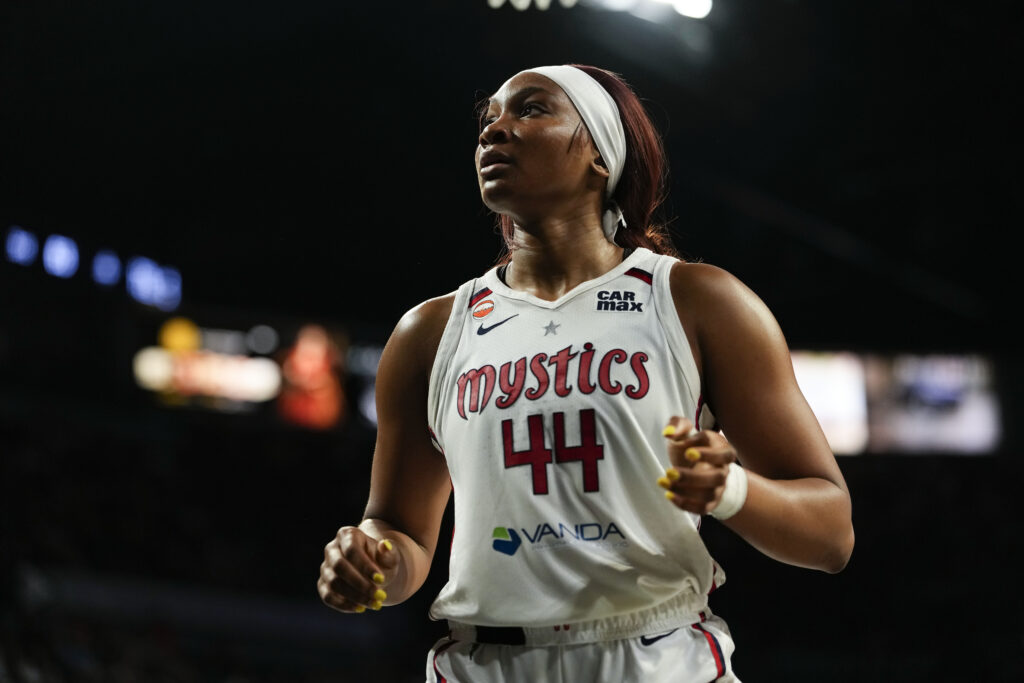
College Football 2026-27 Preview, Part 2 -- 138 Questions and Thoughts for 138 FBS Teams

by Hollywood Sports

Monday, Aug 31, 2026

For the 16th straight summer, I invested time researching each FBS college football team to serve as the foundation for my college football handicapping in the fall and winter. What initially began as basic note-taking on some fundamental details for each team has become an arduous and detailed process for each team that derives from reading and studying multiple sources. Each FBS team now takes about 45 minutes to an hour of preparation time. To help document this work while crystallizing my thoughts for each team, I am providing a summary of each team highlighted by a critical question that will go a long way in their success or failure.ALABAMA: After missing the playoffs in head coach Kalen Deboer’s first season running the program, the Crimson Tide made the playoffs as a bubble team last year — and they then beat Oklahoma on the road in the first round. But Alabama was simply outclassed in the quarterfinals at Indiana by a 38-3 score — and that continued a disturbing trend that rarely happened in the Nick Saban era. The Crimson Tide also got spanked in the SEC Championship Game against Georgia by a 28-7 score. After losing to Oklahoma by a 24-3 score in DeBoer’s first year in Tuscaloosa and opening last season with a 31-17 loss against Florida State, Alabama has already racked up four losses by double digits since DeBoer took over. There are significant concerns on both sides of the line of scrimmage. After losing four of his top five defensive linemen either to the NFL or the transfer portal, DeBoer had to rely on the portal to bring in his likely starting three in defensive coordinator Kane Wommack’s 3-3-5 scheme. At least that could address the size problem as Alabama got pushed around by the Bulldogs and Hoosiers in those late-season losses. The offensive line lost six of their top seven on the depth chart last year. DeBoer brought in six transfers, but only two were starters from FBS programs. Depth at the line of scrimmage was simply never an issue under Saban. Perhaps this is simply the fallout from losing more than 30 players in the portal after Saban's surprise retirement two years ago? On paper, DeBoer is recruiting well — but the state of the offensive and defensive line has been the biggest decline in excellence in the post-Saban era. This has manifested itself in a dreadful running game under DeBoer. The Crimson Tide’s 4.4 Yards-Per-Carry average from running backs in the last two seasons is the eighth lowest of all Power Conference programs. Their 3.4 Yards-Per-Carry team mark last year was the third-worst for this program since 1970. They ranked 123rd in the nation by generating only 104.1 rushing Yards-Per-Game last season. In their losses to Georgia and Indiana, they rushed for a mere 20 combined yards. There is blue-chip talent in the running back room, but perhaps the offensive line is simply the Achilles heel to get the ground game going. This failure to run the ball effectively may also be endemic to executing Air Raid concepts against top-level defenses with elite size on the defensive line like many of the programs in the SEC and Big Ten — there is a reason why the Air Raid is not a popular scheme in either power conference. I’m not in love with offensive coordinator Ryan Grubb as a play-caller, either. Three of the top four targets in the passing game are gone. Junior Ryan Coleman-Williams is still around — but he led all high-targeted wide receivers last year with a drop rate of 13.0% of the passes directed at him (but perhaps adding the “Coleman” to his last name will solve his dropsies problem?). Only six players remain on the roster from the Saban era. This is DeBoer’s team — and it looks as if he is giving the keys to the offense to five-star redshirt freshman Keelon Russell after he starred in spring practice. The talent remains mostly elite. But perhaps expecting the uber-high standards established in Saban’s tenure was simply too much to ask. AUBURN: For the fifth straight season, the Tigers suffered a losing season as they settled for a 5-7 record last year. Third-year head coach Hugh Freeze was fired on November 2nd. The biggest problem is this football team’s inability to win close games. Auburn lost all six of their games decided by one scoring possession last year — and they have now lost 12 of their last 13 contests decided by eight points or less. While they finished only 1-7 against SEC opponents, they were only outgained by -7.0 net Yards-Per-Game. In their 2-6 conference campaign two years ago, they outgained their SEC rivals by +62 net YPG. It’s fair to conclude the fundamental problem was a losing culture under Freeze after his last tenure in the SEC with Ole Miss ended in less-than-endearing results. In comes South Florida head coach Alex Goresh for the last three seasons. After inheriting a Bulls squad that had lost 49 of their last 53 games, they went 23-16 in his three-year tenure. As is the tactic, Goresh brought in 11 key players from the Bulls to meld with this Tigers team that returns only four starters. The key player is senior quarterback Byrun Brown. The dual-threat quarterback passed for 3158 yards last season and added 1121 non-sack rushing yards — and he accounted for 42 touchdowns with his arm and his legs. Three of his targets in the passing game came over in the portal. The Tigers have finished outside the top 50 in scoring and outside the top 50 in ESPN’s Bill Connelly SP+ top 40 rankings since 2019. Perhaps continuity on offense from all these South Florida players and their offensive coordinator Joel Gordon for the last three seasons will give that side of the ball the spark it needs. The defense is in pretty good shape — and Golesh was smart to retain defensive coordinator D.J. Durkin for his third year running that side of the ball. Auburn has ranked in the top 20 in the SP+ defensive rankings in two straight seasons. They do have to replace defensive ends Kendric Faulk and Keyron Crawford, who got drafted in the first and third rounds of the NFL draft. Durkin lost six of his top eight tacklers and eight of the ten players who logged in at least 300 snaps. But if Golesh can bring juice and confidence on his side of the ball, the ceiling becomes much higher for this program if they can start winning more of these close games. BALL STATE: It took first-year head coach Mike Uremovich only nine games to reach four wins and match the team’s season high in the previous two seasons. The administration appears to have made a good hire after he turned a struggling FCS Butler program around with a 23-11 record in his three seasons. The former Temple and Northern Illinois offensive coordinator is a familiar face for high school coaches in Indiana. But the Cardinals lost their final three games by an average of -21.6 Points-Per-Game to end the season with a 4-8 mark. Talent is the biggest obstacle to turning around this program that has not had a winning record since the 2020 COVID-impacted season. That was Ball State’s only winning season since 2014. Despite a 3-5 record in conference play, the Cardinals got outgained by -122 YPG against fellow Mid-American Conference opponents. On the road, they got outgained by -195 YPG, with their average losing score being 36-10. Only seven starters return, but Uremovich was active in the transfer portal, bringing in 25 new players either looking for playing time from other FBS programs or looking to succeed at the FBS level after competing for FCS or Division II football teams. BAYLOR: Ever since the Bears won the Big 12 Championship in 2021, my seasonal deep dives into this team have included speculation regarding whether that achievement was a fluke under head coach Dave Aranda. After last season’s 5-7 campaign, Baylor has a 22-28 record with only one winning season. After missing the postseason last year, they have only played in two bowl games in the last four seasons. Frankly, Aranda probably is out of a job if not for the Baylor administration first firing athletic director Mack Rhoades late in the football season and seemingly kicking the can on the fate of their football coach until they brought in their next athletic director. If there is a head coach sitting on a hotter seat, I do not know who that is. As I seem to point out every year at this time: “Aranda’s stamp should be on the defensive side of the ball after previously serving as the defensive coordinator at LSU — and there seems to be a disconnect between his schemes with the Tigers and the game plans now with the Bears.” His defense hit rock bottom three years ago by ranking 113th and 110th by surrendering 33.3 Points-Per-Game and 421.3 total Yards-Per-Game. The “fix” two years ago was for Aranda to call the defensive plays while also coaching the linebackers. But the Baylor defense only took small steps forward by surrendering 386.2 total YPG (87th in the FBS) and ranking 63rd in ESPN’s Bill Connelly’s SP+ defensive ratings. In terms of total yardage, only one of Aranda’s defenses has ranked inside the top 48 in the nation in his five years. Last year, the Bears surrendered 392.1 total YPG, which resulted in 32.6 PPG, ranking 87th and 120th in the nation. They gave up 197.2 rushing YPG, which was the 120th worst in the nation — and there simply is not a Power Four conference opponent that can function effectively if their opponents are averaging 4.9 Yards-Per-Carry. As always for Aranda, he is making changes — and this time it will be different! He has removed himself from calling plays on defense, with this being rationalized as him now being able to help coach the coaches and better evaluate the players, as if that was not the plan in the first four years of his tenure. Admittedly, bringing Joe Klanderman as his defensive coordinator is more than solid — he has been the defensive coordinator at Kansas State the last six seasons.  Four starters are back on that side of the ball — and Aranda added ten players in the transfer portal who had starts at the FBS level last year, including five defensive players who were Wildcats who played for Klanderman. Aranda probably saved his job two years ago when he tapped Joe Spavital from California to be his offensive coordinator. The special teams and offense were quite good last year — the Bears generated 451.1 total YPG, which resulted in 31.1 PPG, ranking 18th and 33rd in the nation. Aranda was able to bring in former five-star blue-chipper D.J. Lagway as the starting quarterback after two inconsistent seasons with some nice highs but some ugly lows at Florida. But only three of the 16 players who logged in at least 200 snaps on offense are back. Once again, Baylor is relying heavily on the transfer portal. Aranda is not succeeding enough at high school recruiting and sustaining a good culture. Four of the top five wide receivers and their top tight end are gone from last year. But the running back room is intriguing with young blue-chip talent. Aranda had to rely on the transfer portal for an offensive line that lost four of their five starters from last year. With 15 starters back last season, 2025 was supposed to be the year when the program returned to the glory days of 2021. In their Big 12 championship run in 2021, an opportunistic defense helped them rank tied for sixth in the country with a +12 net turnover margin — but they only ranked 31st in total defense by giving up 345.9 total YPG. Last year, the Bears were tied for the second-worst turnover margin at -13. As I wrote in my deep dive last year: “While there may be a problem matching his sophisticated schemes with the talent on the roster, there are significant problems in both recruiting high-end talent and simple player development for those on the roster … Baylor will likely go only as far as their defense allows them.” I appreciate Aranda continuing to tinker and moving away from calling plays again, but that is probably his strength as a football coach. The talk is that he is socially awkward, which may explain the leadership and culture issues for this program in Waco. Aranda would not be the first football coach who was simply a better fit as a coordinator than a head coach.   BOISE STATE: It’s getting harder and harder not to simply treat the Broncos as flat-track bullies that get exposed against better competition. In their nine victories last season, they scored 42.2 Points-Per-Game and held their opponents to 21.1 PPG. But in their five losses, they only scored 7.6 PPG and surrendered 29.4 PPG. Boise State considered themselves playoff contenders last year after returning 15 starters from the squad that finished 12-2 and hosted a quarterfinal contest in the College Football Playoffs. Losing five times was a disappointment, although they did win their third straight Mountain West Conference title. Now they make the move to the refurbished Pac-12, where they will be considered the favorites once again. But they have lost 10 straight games against teams from Power Four conferences. Eleven starters are back, headlined by senior quarterback Maddux Madsen. He was considered a game manager two years ago with the Broncos offense resting on the shoulders of running back Ashton Jeanty. With the offense more in his hands last season and not facing stacked boxes focused on trying to slow down Jeanty, Madsen was inefficient, completing only 58.3% of his passes — and he made too many mistakes. It should be noted that he got injured early in an eventual loss at Fresno State. He missed the next four games, including a 10-point loss at San Diego State. He lost his top four receivers from last season. Five of eight offensive linemen that started games last season are back, along with running backs  Dylan Riley and  Sire Gaines, who combined to rush for 1977 yards as they replaced Jeanty’s production via committee. The defense returns four starters from a group that forced their opponents to gain the third most yardage on third down in the nation — and that helped them rank 23rd by holding their opponents to just a 33.7% conversion rate on third down. But Boise State’s toughness inside was a challenge as they allowed their opponents to rush for 164.1 YPG, ranking 84th in the nation. The Broncos also only registered 27 sacks after gathering 53 sacks the year before. Four starters are back in their front six — but they lost four of their starting defensive backs in their base nickel formation. BOSTON COLLEGE: I was not particularly optimistic about the Eagles’ prospects in the second season under former Houston Texans’ head coach Bill O’Brien. In my deep dive on this team last year, I wrote: “But losses on both lines of scrimmage may make returning to a bowl game a challenge. The Eagles must replace three NFL-caliber offensive linemen. On their defensive line, only one starter returns — and the loss of ACC Defensive Player of the Year, Donovan Ezeiruaka, and his 16.5 sacks is massive. O’Brien brought in seven transfers, but five come from smaller schools with not much of a resume. The starting quarterback remains unsettled …” In hindsight, I did not expect Boston College to completely collapse to a 2-10 record last season. Injuries played a role, as they usually do. The Eagles were unfortunate to suffer -9 net turnovers for the season — and they lost all three of their games decided by seven points or less. But bad fortune alone can not explain Boston College losing 15 of their last 20 games under O’Brien, who dumped three-fourths of his assistant coaching staff in the offseason. Well, who is the bum who hired those guys? O’Brien also lost 30 players in the transfer portal, including his top running back Turbo Richard to Indiana and his top wide receiver Reed Harris to Arizona State. Not great, Bob. The 28 players O’Brien brought in via the transfer portal are the most in program history. The keys to the offense will likely be handed to Saginaw State transfer Mason McKenzie. The dual-threat quarterback is drawing comparisons to Ole Miss’ Trinidad Chambliss, who won the Great Lakes Intercollegiate Athletic Conference Player of the Year award prior to him winning last year — but  Division II QB’s making the successful jump to a Power Four conference is still the exception rather than the rule. O’Brien is now calling the plays on offense, which is not necessarily a good thing. He turned to the 62-year-old Ted Roof to be his next defensive coordinator. The former Duke head coach from 2003-2007 is a well-traveled defensive coordinator in college football, although the last time he oversaw a very good defense was last decade. The Eagles got outgained by -103 net Yards-Per-Game last season against ACC competition, the second-worst mark in the conference. It is difficult to assume the roster is better this season. CINCINNATI: On the one hand, the Bearcats enjoyed their best season in head coach Scott Satterfield’s three-year tenure by posting a 7-6 record and their first bowl appearance in his tenure. But he had his best roster yet with this program, so the results are quite underwhelming if that is what the ceiling is going to look like. He returns only five starters from that team. There are plenty of red flags. After a 7-1 start, Cincinnati lost their final five games of the season — and that came on the heels of them losing their final five games in the 2024 season to spoil a 5-2 start. One of the silver linings from that 2024 team was that at least the Bearcats outgained their Big 12 opponents by +26 net Yards-Per-Game, despite a 3-6 record in conference play. But Cincinnati’s 5-4 record in the Big 12 last year was betrayed by them getting outgained by -30 net YPG. Frankly, I have significant concerns about Satterfield, who had great success at Appalachian State before a troubling tenure at Louisville with many of the same problems he is encountering now. Under his leadership, the Bearcats are losing in the transfer portal. He lost his starting quarterback, his top two running backs, and top five wide receivers from last season. Only one starter returns on defense, with free safety Christian Harrison and nickelback  Jaquan Sanks leaving in the transfer portal. Many of these losses were because of graduation. The defense must replace nose tackle Dontay Corleone and linebacker Jake Golday to the NFL. But the Cincinnati defense ranked 93rd in the nation by giving up 399.2 total Yards-Per-Game, even with two players who later got drafted into the NFL. That group only registered 21 sacks, intercepted two passes, and recovered 12 fumbles. They gave up 37 Points-Per-Game in their final four games. Satterfield fired defensive coordinator Tyson Veidt in the offseason and tapped Nate Woody as his third defensive coordinator in four years. Woody oversaw some great defenses in his six years running the Army defense — but he did not have success in his one season in a power conference at Georgia Tech in 2018. Woody promises an aggressive and attacking pressure scheme — but that’s what everyone says. Satterfield also sacked offensive coordinator Brad Glenn after three seasons and promoted quarterbacks coach Pete Thomas and offensive line coach Nic Cardwell to implement an offensive scheme that fits the personnel — which begs the question of why they were not doing that before now. Satterfield is running out of excuses — but whether a program like Cincinnati can be successful in the Big 12 may be the ultimate question. The Bearcats made the four-team college football playoff just five seasons ago. A year later, Luke Fickell left the program to take the head coaching job at Wisconsin in a move that perhaps should have been seen as the canary in the coal mine. Satterfield added over 40 players to this year’s roster. Freshmen represent 25 of those new players — and their ability to have a positive impact in the short term is very much in question. I conclude that Satterfield is losing in the transfer portal because almost all of his additions are coming from smaller programs. Perhaps the loss of starting quarterback Brendan Sorsby best summarizes the state of this program. Granted, Sorsby’s admission that he bet on Indiana games when he originally played for the Hoosiers was inevitably going to force Satterfield to find another answer at quarterback this season. But the fact that the Bearcats initially lost him in the transfer portal to Big 12 rival Texas Tech is a clear statement that the Red Raiders are the haves in the Big 12 and that Cincinnati is a have-not. With new systems on both sides of the ball and only ten experienced starters on the roster (five if not including the transfer players), it is very difficult to expect much from this football team. DUKE: The Blue Devils lost five games in the regular season last year — but with a 6-2 record in the ACC, they won the tie-breaker procedure over Miami (FL) to get the opportunity to face Virginia in the ACC Championship Game. Duke pulled off a 27-20 upset in that game and then ended their season with a 42-39 victory against Arizona State in the Sun Bowl. With a 9-5 record, the Blue Devils have won at least eight games in four straight seasons — and their 35-18 mark during that span represents the best four-year record in program history. But Duke may have been fortunate to register nine wins when considering that they got outgained in ACC play by -19 net Yards-Per-Game. They benefited from a +10 net turnover margin for the season, tied for the tenth-best mark in the FBS. The Blue Devils had to score outscore teams last year in high-scoring affairs since their defense surrendered 424.2 total Yards-Per-Game which resulted in 29.4 Points-Per-Game, ranking 119th and 98th in the nation, respectively. Duke only held two opponents to less than 20 points. They only return five of the 14 the top 14 tacklers from that side of the ball. Three starters are back in the secondary — and head coach Manny Diaz added four defensive backs from the transfer portal. Diaz is counting on player development for the rest of the unit after six sophomores and juniors got at least 100 snaps in the front seven last season. The plan on offense got derailed on the last day that the window of the transfer portal was open. Quarterback Darian Mensah and his favorite target, wide receiver Copper Barkate, both bolted south to play for their ACC rivals, Miami (FL). Diaz adapted on the fly, luring San Jose State quarterback Walker Eget to join the program before the portal closed. Eget was available because he is recovering from an ACL injury that kept him limited in spring practice. He threw for 3051 yards last season but completed only 59% of his passes. The offense is likely to take a step back this season. But discounting the Blue Devils has been bad business the last three seasons, despite them getting outgained in yardage in ACC play each of those years. EAST CAROLINA: When Blake Harrell took over as interim head coach after a loss at Army midway through the 2024 season, the Pirates had lost 14 of their 19 games. Since then, Harrell has led East Carolina to 14 victories in their next 19 contests — including two straight victories in the Military Bowl against Power Four conference opponents NC State and then Pittsburgh last December. Harrell has done a really nice job of establishing a sense of culture that was missing under previous head coach Mike Houston. But the challenge remains stark as the Pirates were raided in the transfer portal with ten players leaving for Power Four conference programs, including starting quarterback Katin Houser to Illinois and two All-American Athletic Conference offensive linemen. Only three starters return from last year’s 9-4 squad. To his credit, Harrell fought back by aggressively restocking the roster with a transfer portal strategy that focused primarily on picking off good players from fellow mid-major programs — but he did add two intriguing talents at quarterback from Power Four conference teams. Harrell was previously the defensive coordinator for the Pirates for five seasons before his first full season as head coach last year. East Carolina’s defense was outstanding last season by holding their opponents to 20.1 Points-Per-Game, ranking 25th in the FBS. That unit held their opponents to just 120.3 rushing YPG, ranking 26th in the nation. The Pirates defense also ranked top ten in the FBS in Red Zone Defense and Third Down Defense — and they ranked fourth in the nation by averaging 7.8 Tackles for Loss per game. Harrell has done a great job — and his defense should remain good. But it is difficult to expect mid-majors to simply reload when the player turnover is so vast as what this program has experienced. HOUSTON: Cougars’ head coach Willie Fritz is simply one of the best in the business — and he has been a winner everywhere he goes. He won two junior college national championships before moving to Sam Houston, where he reached the FCS championship game twice. He had immediate success at Georgia Southern before turning Tulane into a mid-major powerhouse. Now, after a 4-8 record in his first year at Houston, Fritz led them to a 10-3 campaign that culminated in a 38-35 victory against a (depleted) LSU squad in the Texas Bowl. The Cougars are now legitimate Big 12 title and college football playoff contenders. For starters, Fritz continues to consistently win in the transfer portal. He added 17 players in the offseason, including eight players named to their all-conference teams. Prioritizing past experience, the 17 players added to the program have combined to play over 14,000 snaps in their collegiate careers. The offensive line should be particularly stout with two returning starters being joined by three all-conference players in the transfer portal who collectively gave up only four sacks in their combined 1277 pass blocking snaps played. Fritz reunited with running back Mark Hughes in the portal as well after he rushed for 2779 yards and 22 touchdowns in two seasons with him at Tulane before not getting playing time last season at Oregon. The Houston offense is in very good hands with senior quarterback Conner Weigman. The former five-star recruit for Texas passed for 2705 yards last season with 25 touchdown passes and nine interceptions — and he added another 795 non-sack rushing yards. He brings moxie and leadership to the position — and this is the first time he will be playing for the same offensive coordinator for two straight seasons. The offense improved last year after bringing in Slade Nagle, who was a long-time assistant for Fritz at Tulane and the Green Wave’s offensive coordinator in 2023. After scoring only 14.0 Points-Per-Game in Fritz’s first year with the Cougars, that production doubled, with Houston averaging 29.1 PPG last season. The defense remained steady last year after losing defensive coordinator Shiel Wood to Texas Tech. Under first-year defensive coordinator Austin Armstrong, Tulane held their opponents to 22.8 PPG, which was a slight improvement over the 22.9 PPG they gave up under Wood in 2024. The Cougars are an experienced squad with 11 homegrown returning starters and another eight experienced starters in the transfer portal likely to take starting jobs for this team. If there are some red flags from last season, one is that they only outgained their Big 12 opponents by +21 net Yards-Per-Game, despite a 6-3 record in conference play. Houston benefited from +4 net close victories in games decided by eight points or less. INDIANA: There should be no debate regarding how good a football coach Curt Cignetti is. Inheriting a program that had gone 9-27 in its previous three seasons, Cignetti flipped the switch with a 27-2 mark after last year’s perfect 16-0 record and national championship. The Hoosiers blew out Alabama by 35 points and then Oregon by 34 points in the playoffs before beating Miami (FL) in the national championship game. Cignetti is the only college football head coach to successfully navigate the first round bye since the playoffs were expanded to 12 teams. Now with the resources akin to a blue-blood program, with the university fully committed to the football program, Indiana should continue to be serious national championship contenders. Cignetti and his coaching staff may simply be the best in the country at both identifying and then developing talent. Cignetti is validating the approach to privilege production over potential in the transfer portal. Ten starters are back from last year’s team — and Cignetti brought in 17 players in the transfer portal to complement the returning production. Given the experience coming in from the portal, the Hoosiers should have 17 players with full-time starting experience in their starting lineup to open the season. Somehow, Cignetti’s coaching staff has yet to be raided by aspiring programs as he was able to retain nine of his ten assistant coaches from last season, including offensive coordinator Mike Shanahan and defensive coordinator Bryant Haines, who were both holdovers from his previous tenure at James Madison. If there are concerns, it starts with the loss of 23 graduating seniors and two other players who left early for the NFL. Indiana lost seven players who got drafted into the NFL — but filling those holes is where Cignetti focused his energies in the transfer portal. Both sides of the line of scrimmage appear strong. But can Cignetti’s teams continue to dominate the turnover battle? In his tenure with the Hoosiers, his teams have committed only 17 turnovers, the lowest number in the FBS in the last two seasons. They led the nation with a +21 net turnover margin. Certainly, much of this success comes from the coaching staff — but some of that is good old-fashioned good fortune — and the Regression Gods can be fickle. The keys of the offense are being given to senior quarterback Josh Hoover, who has thrown for 9629 yards and 71 touchdowns in the previous three seasons. On paper, his resume is more impressive than what Fernando Mendoza had before playing his first game for the Hoosiers last season. But Hoover committed 15 turnovers last season, including 13 interceptions — and he has turned the ball over 33 times in his 36 games in his collegiate career. Perhaps  Cignetti will coach that out of him — but relying on three straight starting quarterbacks from the portal is precarious. But Cignetti has proven himself the pre-eminent culture-builder in college football — so he deserves the benefit of the doubt.OREGON: For the third straight season, the Ducks' only losses last season were against the team that reached the national championship. Oregon lost to Indiana in their regular season showdown and then got pummeled in the rematch in the semifinals of the college football playoffs by a 56-22 score in a mistake-filled contest. In 2023, their only two losses were against Washington, which went on to lose to Michigan in the national championship game. In 2024, their only loss was a 41-21 loss against Ohio State in the quarterfinals of the college football playoffs. On the one hand, it is a testament to fifth-year head coach Dan Lanning that his football team’s only three losses in the last two seasons were to the eventual national champion. But on the other hand, there has to be concern that perhaps his teams are simply hitting their head on the ceiling of their potential year after year. While the Ducks have a 25-1 record in their last 26 games played from August to December, they are 1-2 in January — and those two losses were by an average of 27 Points-Per-Game. In the last three seasons, they have a 1-5 record against teams that played in the national championship game — and a 37-0 record against everyone else. There is reason to believe this is not simply a function of bad luck. Here is what I wrote in my deep dive on this team last season: “his (Lanning) game management in big moments has been questionable in my mind — and, yo, is this dude wound up tight. He has done a great job of assembling an uber-talented roster. He is recruiting as well as anyone in the country — and he has made Oregon a premier landing spot for high-level transfers without losing players of his own. Yet my concern with him is similar to the one I have about Detroit Lions head coach Dan Campbell. When there are so many good players, the head coach’s job becomes putting the players in the best position to succeed. It’s not the time to start splitting face cards just because the dealer shows a six.” A year later, it certainly seemed like his players were tight in the rematch against Indiana as they made multiple mistakes deep in their end of the field that gave short fields to the Hoosiers. One of Lanning’s assistant coaches has since been quoted: “It’s always fourth-and-one around here.” That certainly is likely to remain the case this season given the sky-high expectations on this program. With 14 starters back from last year’s squad, including many who bypassed a likely very high selection in the NFL draft, it is national championship or bust for this program (akin to what Penn State encountered last season, and it did not turn out well). The defense should be fantastic, with perhaps the best defensive line in the country and an experienced and deep group in the secondary. The one benefit of the injury bug hitting the wide receiver room last year is that the group is loaded this season. Sophomore running backs Jordan Davison and Dierre Hill, Jr. formed a great one-two punch (when healthy) last season — they combined for 1323 rushing yards and 20 touchdowns. Junior quarterback Dante Moore did not listen to the siren of the NFL to come back to lead the offense. He might have been the number one pick in the draft if he made himself available. He threw for 3565 yards with 30 touchdowns last year. But he still has room to grow when it comes to pre-snap reads. He has also not played well on the biggest of stages — and his efficiency drops significantly under pass pressure. Four of his 11 turnovers last year came in the two games against Indiana, as did nine of 19 sacks. Another concern in getting over the final hurdle is their offensive line, which must replace three starters from last season. In their last two losses in the college football playoffs, their offensive line got overwhelmed (which only exacerbated the issues for Moore last year). Lanning is doing a great job in recruiting and overseeing the development of talent before targeting good players in the transfer portal to fill potential holes. But with the loss of offensive coordinator Will Stein and defensive coordinator Tosh Lupoi, who both took Power Four conference head coaching jobs, another concern is the potential brain drain taking place on the coaching staff. The chemistry and continuity questions should be answered well since Lanning promoted from within for both positions. But it was Stein and Lupoi who played integral roles during Lanning’s tenure in Eugene. PENN STATE: The Nittany Lions were a trendy national champion pick in many circles last season as they resembled the profile of the Michigan and Ohio State teams that won the last two national titles by returning veteran squads loaded with talent that bypassed the NFL to come back to school because of unfinished business. Penn State might have the best backfield in the nation with senior quarterback Drew Allar, along with running backs Nick Singleton and Kaytron Allen. Four starters return on the offensive line. The defense has returning stars at all three levels — and head coach James Franklin pulled off a coup after defensive coordinator Tom Allen defected to Clemson by poaching Ohio State’s defensive coordinator Jim Knowles. Things were on track after a 3-0 start to the season. But then they lost at home in double-overtime against Oregon in what felt like a statement game. They then traveled on the road to a reeling UCLA team that had fired their head coach and somehow got upset by a 42-37 score despite being a 24-point road favorite. When, the next Saturday, Penn State then got upset at home against Northwestern by a 22-21 score as a 21-point favorite, it was clear that Franklin had lost the locker room and he was fired. Frankly, I was not terribly surprised that the Nittany Lions folded under the pressure of high expectations. There were plenty of red flags for those taking the time to investigate. The defense lost four players to the NFL, including their outstanding pass rusher, Abdul Carter, who was the third pick in the NFL draft. Only eight of the 17 players who logged in 300 or more snaps last year were back. Depth concerns existed at defensive tackle and linebacker. That unit surrendered 45 points against Oregon in the Big Ten championship game after letting USC score 30 points against them earlier in the season — and Notre Dame scored 27 points in their three-point loss to the Fighting Irish in the college football semifinals. In their three losses two years, the Nittany Lions got only eight combined catches from their wide receivers. Franklin tried to finally address that deficiency in the transfer portal — but he failed to provide adequate help to Allar, who lost his favorite target, tight end Tyler Warren. I always considered Allar a bit overrated relative to the Heisman Trophy and “first quarterback off the board” in the NFL draft hype. Allar completed 73.7% of his passes two years ago — but that mark dropped to just 60% in the playoffs. Did these folks propping him in the offseason even watch the college football semifinals game against Notre Dame? Penn State’s potential game-winning drive late in that game ended in an interception. Allar also struggled in a 20-13 loss against Ohio State. What was the Nittany Lions’ best victory two years ago? Boise State? SMU? Illinois? The Nittany Lions remain a program that is winless against Michigan and the Buckeyes in their last eight contests against them in the last four seasons. I had it right when I wrote in my deep dive on this team last year: “Penn State under Franklin’s leadership may simply be flat-track bullies. In the last three seasons, the Nittany Lions have a 34-2 straight-up record when favored — and they are 27-0 straight-up when favored by six or more points in those games. But in their six games as an underdog during that span, they have failed to pull off even one upset.” After last year’s 7-6 campaign that ended in the Pinstripe Bowl against similarly overhyped Clemson (proving our divine maker does have a sense of humor) with a 22-10 victory as a 2-point underdog, the Nittany Lions finally ended what was an eight-game losing streak as an underdog — but their other six wins were in games where they were favored by at least a touchdown. Say what you want about Franklin (especially in big games), but few can with his recruiting — and that was the basis for the biggest criticism. Despite all the talent he assembled, he could rarely win a big game, especially against Power Four competition (Penn State’s quarterfinal win in the 2024 College Football Playoff was against Boise State). But now 42 players left in the portal after the season ended. The administration turned to Matt Campbell as its new head coach after a very nice ten-year run at Iowa State. A perennial doormat, Campbell turned the Cyclones into a very respectable program. Yet perspective is needed. His Iowa State teams finished in the top 15 polls at the end of the season only twice in his ten seasons. Similar results in Happy Valley will get him fired in three years — and while his talent base should be better, his competition is much steeper when now facing Big Ten opponents with huge budgets and raised expectations about playing defense (as opposed to the Big 12). Campbell did what he had to do — so he convinced 24 of his players at Iowa State to join him in the move, with 11 to 13 likely to be starters. In all, about 40 new players from about 20 different programs were brought to replace the 70 players from last year’s Nittany Lions team that had national championship aspirations. A plethora of injuries during spring practice did not help the cause of establishing chemistry and a new culture. I understand the need for some sense of continuity — but if Penn State is going to be Iowa State East this season, let’s remember that the Cyclones went only 5-4 against inferior Big 12 competition last year. Senior Rocco Becht, a three-year starter at Iowa State, brings veteran leadership and experience — and his top four targets in the passing game and running back Carson Hansen joined him in the move to Happy Valley. But the Iowa State offense ranked only 63rd in SP+ using the efficiency metrics of ESPN’s Bill Connelly. I like the hire of defensive coordinator D’Anton Lynn, who was intrigued to coach for his alma mater after two seasons running the defense at USC. But with just three starters returning, the core of the defense will be the seven former Cyclones starters coming over. Optimists are pointing to the relatively easy schedule, with Penn State avoiding Indiana, Ohio State, and Oregon in their regular-season schedule. The only “blue bloods” they face before the postseason are Michigan and USC — and they will likely be underdogs in both those games. But this program cannot simply pencil in victories against Wisconsin, Northwestern (who beat them last year), Washington, Minnesota, Rutgers, and Maryland, as all those programs have expectations of their own and are very hungry to register what would appear to be a signature victory. If Penn State was also closer in quality to the old Big Ten West competition than they were to the Big Two of Ohio State and Michigan (before the Pac-12 teams entered the conference, making the margin of error even thinner), then the transformation from Franklin’s uber-talented but underachieving rosters to Iowa State East is going to be even bumpier than expected.         KENT STATE: After two seasons under head coach Kenni Burns, during which the Golden Flashes lost 23 of their 24 games before he was unceremoniously fired for an alleged loan scandal with a booster, interim head coach Mark Carney performed a minor miracle by picking up the pieces during spring practice and leading this football team to a 5-7 record. Admittedly, we need to consider the possibility that Burns, who had previously served as the running backs coach at Minnesota, was simply a train wreck. Kent State had gone 22-21 the previous four years under head coach Sean Lewis. But considering the lack of funding for this program as the college football landscape became dependent on NIL and the transfer portal, what Carney was able to do has to be respected. Most importantly, he immediately got buy-in and got his players to compete very hard for him. That should continue. Carney also seems to have an eye for talent — and his tapping of redshirt freshman Dru DeShields as his starting quarterback was rewarded. In 11 starts last season, DeShields threw 18 touchdown passes and only three interceptions — and he demonstrates leadership qualities this team needs. He is one of six starters who return on offense.  After losing all 16 of their games against Mid-American Conference competition under Burns, the Golden Flashes' 4-4 record in conference last year was a stark improvement. One could nitpick with their getting outgained by -50 net Yards-Per-Game against MAC opponents, but it is still much better than getting outgained by 283 YPG in conference play in 2024 when MAC opponents outscored them by 30 Points-Per-Game. Of course, Kent State lost players in the transfer portal — and programs like this will only go so far as what is left on both sides of the line of scrimmage. Carney is focusing on the high school ranks as he brought in 24 freshmen for this season, with 11 of them already competing in spring practice. Some harsh realities remain. Against top-50 competition using the SP+ rankings of ESPN’s Bill Connelly, the Golden Flashes were 0-4, with the average losing score being 54.3-8.5. But an overachieving roster playing hard for their inspiring head coach was enough for a 5-3 record in their other eight contests last season — and that dynamic should not be discounted. MARSHALL: Head coach Tony Gibson did a commendable job in leading the Thundering Herd to a 5-7 record last season. After Marshall and previous head coach Charlie Huff agreed to part ways, 47 players left the program in the offseason. Gibson brought in more than 70 new players to the program in a rebuilding assignment, which is massive as it gets in college football. Yet the Thundering Herd outgained their Sun Belt conference opponents by +8 Yards-Per-Game despite a 3-5 record in conference play. Marshall could have played in a bowl game if not for their 1-4 record in games decided by one scoring possession. The roster stability is much better for Gibson’s second season with nine starters back. Gibson “only” added 26 new players in the transfer portal to complement a solid freshman class. The former North Carolina State defensive coordinator should see his defense improve this season despite losing three of his top four sack leaders in the transfer portal. The Thundering Herd surrendered 410.6 total YPG, which resulted in their opponents scoring 30.3 Points-Per-Game, ranking 106th and 107th in the nation. Gibson has his answer at quarterback with Carlos Del Rio-Wilson returning for his senior season. The former four-star recruit for Florida emerged last year by passing for over 2000 yards with 17 touchdown passes and just five interceptions. The dual-threat also added 714 non-sack rushing yards and six rushing touchdowns. MIAMI (OH): Last season was a test to see where the floor was for the RedHawks under head coach Charlie Martin after only six starters were back from the team that reached the Mid-American Conference championship and finished with a 9-5 record. As I concluded on my deep dive for this team last season: “The RedHawks lost plenty of talent that made the All-Conference team, which may lower the ceiling regarding what this team can accomplish — but the consistency and culture that Martin has established should not be underestimated.” Sure enough, Miami (OH) finished 6-2 in conference play and reached the MAC Championship Game for the third straight season. Although they lost to Western Michigan in that game by a 23-13 score — and then got beat by Fresno State in the Arizona Bowl by an 18-3 score — it should be considered a very successful season when considering the challenges coming into the year. With Jason Candle departing Toledo, the RedHawks are the clear cream of the crop in the MAC as Martin begins his 13th year running the program. He has established a clear identity and culture that emphasizes defense, special teams, and smart play. Miami (OH) has played in three straight MAC championship games — they have a 55-20 record in conference play in their last 75 games. Now Martin has a bountiful NIL program from which to retain key players while attracting talented incoming transfers. Martin has nine returning starters plus an intriguing influx of talent from Power Four conference programs from the transfer portal.                NEBRASKA: Expectations were high in Lincoln last year in the third season under head coach Matt Rhule, who had led both Temple and then Baylor to the conference championship games with 10-4 and 11-3 campaigns in his third as the head coach at the programs. Finally getting the benefit of bowl practices was going for the first time since 2016 was also going to be a big boost heading into the fall — and things seemed to be on track when the Cornhuskers opened the season with a 6-2 record. But the wheels fell off the proverbial wagon as they lost four of their last seven games — and they were not competitive in their final three games in a 27-point loss against Penn State, a 24-point loss against Iowa, and then a 44-22 loss against Utah in the Las Vegas Bowl. A porous offensive line played a role in sophomore quarterback Dylan’s Raiola suffering a season-ending broken fibula that cost him the final four games of the season. But an inexperienced front seven that did not have a returning starter from the previous season got completely exposed in the run game. Nebraska ranked 98th in the nation by surrendering 175.4 passing Yards-Per-Game — and six of their opponents rushed for more than 200 yards against them. Big Ten opponents generated 5.0 Yards-Per-Carry against them. As has become common practice, Rhule continued the “I cannot fail, I can only be failed by my assistant coaches” mantra by firing several coaches. On defense, Rhule let defensive coordinator John Butler go after one season after promoting him from defensive backs coach when previous defensive coordinator Tony White defected for the same job at Florida State. But with the lack of depth in the front seven, who was in charge of building the roster, Mr. Rhule? On the other side of the ball, offensive line coach Donovan Raiola was let go in yet another example of failed nepotism as Dylan’s uncle was brought in to help sweeten the package that eventually persuaded the five-star quarterback to withdraw from Georgia and commit to the Cornhuskers. Now Raiola has departed the program in his transfer to Oregon — and it is a massive indictment of Rhule’s regime that Raiola deemed it preferable to back up the Ducks’ quarterback Dante Moore this season before presumably getting his chance to take the field again in 2027. Rhule turned to UNLV quarterback Anthony Colandrea in the portal — and the Mountain West Conference Offensive Player of the Year has the mobility and scrambling skills that Rhule seems to prefer. But make no mistake that it is a downgrade at quarterback from Raiola — and Colandrea’s nine career multiple interception games are a significant cause for concern. Raiola poached Georgia Tech offensive line coach Geep Wade to fix the offensive line — but losing All-American running back Emmett Johnson to the NFL does not help. Offensive coordinator Dana Holgorsen returns for his second full season after he took over on an interim basis near the end of the 2023 season when Rhule fired offensive coordinator Marcus Satterfield after nine games. Remind me, who is the one hiring these bums that are getting fired so quickly? Rhule turned to San Diego State defensive coordinator Rob Aurich, who did a nice job with the Aztecs last year — but this is just his second season as a defensive coordinator, and he will be overseeing the defense transitioning from a 3-3-5 to a 4-2-5 formation. On paper, the secondary looks great with three starters back from a unit that ranked third in the nation by holding their opponents to 154.1 passing Yards-Per-Game — but that number is somewhat skewed by their opponents being quite content to just continue running the ball against a unit that was giving up around five yards per carry. Aurich is the fourth defensive coordinator in the program’s last five seasons going back to the dysfunctional days of the Scott Frost coaching era. Rhule has certainly made Nebraska respectable again with two winning seasons in a row after enduring seven straight years under .500. Four of their victories last year were in games decided by seven points or less — a stark contrast from what was happening under Frost. But Rhule was advertised as a culture builder — and there has been little continuity on the coaching staff on both sides of the ball. The program is also becoming very dependent on the transfer portal to find starters, which is not a ringing endorsement of Rhule’s recruiting. Perhaps Rhule deserves some benefit of the doubt given the mess he inherited. On the other hand, the failure to develop Raiola and his decision to leave the program may be a canary in the coal mine when assessing what went wrong in Rhule’s tenure. NORTH TEXAS: Before last year, the Mean Green had not had a winning season since 2018 and had lost seven straight bowl games since 2013. But North Texas defiantly ended both those droughts with a 12-2 campaign that included playing in the American Championship Game and culminating their season with a 49-47 victory against San Diego State in the New Mexico Bowl. Unfortunately for the faithful in Denton, there is very little to ruminate on that team when it comes to assessing this year’s squad. Head coach Eric Morris left for Oklahoma State after three seasons — and he took many of the Mean Green’s best players, including junior quarterback Drew Mestemaker and sophomore running back Caleb Hawkins, who were both key cogs in an offense that led the nation by scoring 45.1 Points-Per-Game and generating 512.2 total Yards-Per-Game. A vast majority of the players that Morris did take with him were quickly poached by other programs. North Texas has zero starters returning from last year’s squad — and only defensive tackle  Terrell Washington, with his 330 snaps, is the only player back on the team that logged in at least 200 snaps last season. It’s as close to a complete reset as we will ever see. New head coach Neal Brown brought in more than 50 players in the transfer portal — and some of the names are intriguing. But the new players from the transfer portal only accounted for 82 combined starts last season. For context, nine of the 15 American Conference teams returned at least 78 combined starts before their transfer portal work. This Mean Green team will be very inexperienced. Brown failed to get West Virginia as their head coach recently — but in his previous stint at Troy, he led the Trojans to a 31-8 record from 2016-2018. This program always has potential given its ability to recruit local players in Texas — but it is difficult to have immediate expectations with a new coaching staff and essentially a brand new roster assembling together. OHIO STATE: The Buckeyes were cruising right along by winning all 12 of their games in the regular season. But then they lost a nail-biter in the Big Ten Championship Game to Indiana by a 13-10 score. And then in the quarterfinals of the College Football Playoffs, they trailed Miami (FL) by a 14-0 score at halftime and could not do enough to rally in a 24-14 setback that ended their season. In hindsight, only losing to the two teams that eventually reached the national title game is no crime. Assuming a seamless reload from a national championship squad after then losing 15 players to the NFL is tough for any team to overcome. But expectations are as high as they get in Columbus, especially after a perfect regular season. I understand head coach Ryan Day wanting to lean on his defense and play conservatively with a freshman as his new starting quarterback. Ohio State played at the slowest pace in the nation when on offense. And Julian Sayin’s 77% completion percentage was the third best in FBS history for a starting quarterback. He threw for 3610 yards with 32 touchdown passes and eight interceptions. But, in hindsight, Day should have probably shifted gears and taken the training wheels off the offense in the postseason — especially when he could lean on his elite defense to bail them out if mistakes were made on offense. The Buckeyes scored only 24 combined points against the Hoosiers and Hurricanes — and they left too many points on the field. Day settled for a game-tying field goal on fourth-and-one from Indiana’s nine-yard line late in the Big Ten Championship Game — and while I am not a fan of aggressive fourth-down play-calling when chip-shot field goals can tie the game, the underlying reality was that Ohio State was destined for a bye in the first round of the playoffs regardless.     Going for the victory in those circumstances may have better served the team in the long run to build confidence on that side of the ball in the playoffs. Instead, the 26-yard field goal attempt was missed. Then in the second half against Miami (FL), they continued to play at a slow tempo as they embarked on their comeback. With the Hurricanes happily engaging in slowing the game down when they had the football, the Buckeyes only got three legitimate second half possessions — and on one of them, they squandered four minutes in a seven-play drive that ended with a punt. I applaud Day delegating the play-calling duties on offense to his offensive coordinator so that he can better attend to game management. But he’s got to manage the damn games better. Ohio State had the best defense in the country last season — they limited their opponents to just 219.1 total Yards-Per-Game which resulted in a mere 9.3 Points-Per-Game, both the best marks in the nation. It was 2011 when the last time an FBS team gave up fewer points. That is exactly the defense that should have been trusted to bail out an offense getting aggressive in the second half after failing to score in the first half. The Buckeyes should have gone no-huddle in the second half of that game — is there any doubt that is what Nick Saban would have done? The hope is that Sayin will benefit from the learning experiences from those two losses — and he will be asked to move the ball this legs more often in his sophomore season. But he needs to be given more trust to make plays — and get the ball into their embarrassment of riches of their playmakers, headlined by junior wide receiver Jeremiah Smith. Former Pittsburgh Steelers offensive coordinator and Atlanta Falcons head coach Arthur Smith is their new offensive coordinator after Mile Hartline got the South Florida head coaching job. He is the third former NFL head coach that Day has tapped as an offensive or defensive coordinator — and I’m not sure that formula is a guarantee for success at the college level. There is a solid argument to be had as well that Smith’s only successful seasons calling the plays on offense were when handing the ball off to Derrick Henry was the primary option. On the other side of the ball, I have to concede just how well Matt Patricia was in communicating and teaching to his group. Patricia deployed a simple scheme — but his players were very well prepared for their opponent, and the simplicity helped them play fast. It was a very good fit, matching the Buckeyes superior talent with Patricia’s knowledge of the game. But the loss of talent cannot be overlooked. Ohio State lost seven of the nine players who started all 14 games last season. All seven of those players got drafted into the NFL, including five in the first two rounds of the NFL draft and three in the top 11 picks in the first round. It’s impossible to simply reload from all that attrition. The Buckeyes defense should remain at least very good — but regression has to be expected. Usually, Day would rely on his recruiting and his coaches' player development to fill these holes -- but he pivoted. The 18 players he brought in via the transfer portal are the highest in program history — and from the freshman class and walk-ons, there are more than 50 new players on this season’s roster. Granted, more than 30 players left the program in the transfer portal — so there was a need to bring in players. But I strongly suspect most of these reserve players leaving were because they did not expect to see significant playing time — and Day’s new emphasis on the portal plays a direct role in that. Certainly there have been programs that found success poaching talent at the highest level to reload their roster. But all those programs had the talent base of the average Ohio State squad. The increased reliance on the transfer portal risks disrupting the culture Day has enabled in Columbus in two ways. First, all the new players are unknowns — and the more there are, the more they could disrupt the tone and atmosphere established by the veterans. Second, the homegrown players can quickly become disgruntled if they lose their expected spots on the depth chart to newcomers who did not do their time establishing themselves in the culture. In the height of Day’s struggles in the Buckeyes’ rivalry with Michigan with Jim Harbaugh at the helm, the biggest criticism of Day was his lack of courage of conviction. He looked tight in the "Big One" against Harbaugh; he would call the game tight — and it made his team play tight against the Wolverines. I understand the temptation to dangle the Ohio State brand name and deploy what is perhaps the best NIL program in college football to bring in a bunch of shiny new objects. But perhaps that was an overreaction to losing the final two games of the season. In defending his increased reliance on the transfer portal, Day compared the new college football landscape to the time of the dinosaurs: “We’re going to adapt. We’re not going to die.” But when the rest of the college football world considers Ohio State the equivalent of Tyrannosaurus Rex, then “adapting” may actually be blinking. Day’s immediate comment before that quote was: “We’re not allowed to lose a game.” Two final comments on that. First, that belief explains his risk-averse game management that too often can be described as “playing not to lose.” Ask professional poker players how successful that mentality is. Second, the Buckeyes can certainly lose games — they lost to both Michigan and Oregon in their championship run two years ago. In fact, Ohio State is one of the few programs — like Alabama — that could still make a 12-team playoff after losing three times. The Buckeyes just can’t lose in the playoffs — the reality of every team that plays in the NFL. Ohio State will be better served if — and when — their head coach realizes that success in the era of college football is defined by winning in the playoffs. Everything else is either qualifying for those playoffs or preparing your squad for that single-elimination tournament. OREGON STATE: On paper, the Beavers were 2-10 last season. But they only got outgained by -30 net Yards-Per-Game, which is in the general range for a team with a 4-8 or 5-7 record. They lost their first six games of the season — but they were literally three plays away from a 3-3 mark. After dropping their seventh game in a row — all against teams that would later play in bowl games — the administration fired second-year head coach Trent Bray. Under interim head coach and former Central Michigan defensive coordinator Robb Akey, Oregon State won their next two games before stumbling down the stretch by losing their final three games. The program now turns to rookie head coach JeMarcus Shephard to steward the team in the reimagined Pac-12 conference. Shephard is a Kalen DeBoer protege who was the passing game coordinator and wide receivers coach for their 2022-23 team that reached the national championship game before following DeBoer to Alabama, where he was the co-offensive coordinator, assistant head coach, and wide receivers coach the last two seasons. Ten starters are back from that team, and Shephard was active in the transfer portal by bringing in former blue chippers in need of a second chance as well as potential diamonds in the rough at the FCS level. Former Duke quarterback Maalik Murphy returns under center — it is the first time that the Beavers have their starting quarterback return for a second straight season since 2019. But it is hard to win in Corvallis — and the near destruction of the Pac-12 did them no favors as a de facto independent along with Washington State the last two years. Losing players in the transfer portal to the power conference sharks is expected for second-tier programs like this — but it is an ominous sign when they are now losing players to comparable programs. Shephard is a player’s coach — but he is the fourth head coach in four years for this program when including the interim head coaches. Only when that cycle ends can Oregon State begin to rebuild its culture post the Jonathan Smith era. This is a football team that begins the 2026 season having lost 16 of their last 19 games. PITTSBURGH: The Panthers started the season 2-2 — but when head coach Pat Narduzzi then handed the keys to the offense to freshman quarterback Mason Heintschel, the offense took off. Heintschel would lead the team to six wins in his nine starts while completing more than 63% of his passes for 2354 yards. He threw 16 touchdown passes but will want to lower the eight interceptions he threw last season. Freshman running back Ja’Kyrian Turner emerged in the final five games as well by rushing for 745 yards on a 5.3 Yards-Per-Carry average with seven touchdowns — and he ran for 201 yards against Georgia Tech. In the second season under offensive coordinator Kade Bell’s up-tempo spread, Pittsburgh ranked 20th in the nation by generating 33.7 Points-Per-Game. That said, in a final regular-season showdown with Miami (FL) where a victory would have placed them in the ACC Championship Game, they got thumped by a 35-7 score. They then lost to East Carolina in the Military Bowl by a 23-17 score. The 19-year-old Heinstschel will need to demonstrate he learned from those late-season loss — and he particularly struggled when under pressure. He needs more help from his running backs after the Panthers ranked 88th in Rush Success Rate and ranked just 115th in the FBS by averaging  117.2 rushing YPG. The development of the now-sophomore Turner late in the season is encouraging — and Narduzzi brought in Western Kentucky senior running back La’Vell Wright for depth. The offensive line could be a strength with four returning starters along with five of the top seven backs from last year’s depth chart — and Narduzzi poached Akron All-Mid American lineman  Keylon Davis to help fortify the line. The defense was outstanding last season, limiting their opponents to 330.4 total Yards-Per-Game, ranking 32nd in the nation. The Pitt run defense was particularly stout as they limited their opponents to just 3.6 (non-sack) Yards-Per-Carry — and they ranked fourth in the FBS with Stuff Rate at or behind the line of scrimmage in 25.8% of their opponents’ rush attempts. Overall, the Panthers ranked eighth in the nation by limiting their opponents to 95.1 rushing YPG. As expected, defensive coordinator Randy Bates retired after eight seasons in that position — but the continuity should be fine with Cory Sanders taking over after serving as the defensive backs coach since 2018. SOUTH CAROLINA: After a 9-4 campaign last year, the Gamecocks entered last season as a legitimate playoff contender with a potential number one pick in the NFL draft at quarterback. With his cannon of an arm, a 6’3 and 240-lb frame, and dual-threat rushing skills, LaNorris Sellers had huge expectations last season. But the offensive line was a mess after needing to replace the interior three starters — and the injury bug exposed a lack of depth at the position. Head coach Shane Beamer continued his disturbing trend of firing his assistants as he fired offensive line coach Lonnie Teasely in early October — and he later fired first-year offensive coordinator Mike Shula on November 2nd. Well, who is hiring these bums?  The South Carolina offense played better in the final month of the season — and they scored 30 points against Texas A&M — but they still stumbled to a 4-8 record and missed out on a bowl bid. The Gamecocks posted a 1-7 record in the SEC — and they got outgained by -68 net Yards-Per-Game against conference opponents. Beamer now turns to his fourth offensive coordinator in the last five seasons by poaching TCU offensive coordinator Kendal Briles. To address the offensive line, Beamer hired Randy Clements as the new position coach. The 35-year-old veteran comes over with Briles from TCU. Beamer also brought in eight offensive linemen in the transfer portal, including six seniors and five previous starters from FBS programs. The defense lost three players in the NFL draft, but four of the top five tacklers return from last year’s unit. South Carolina has been wildly inconsistent in Beamer’s first five years running the program. But NFL talent exists on the roster — and if Sellers, along with junior defensive end Dylan Stewart, perform as future first-round NFL picks, then, sure, this is a potential playoff team. TEXAS STATE: The Bobcats completed their third winning season in the three years under head coach G.J. Kinne with a 41-10 victory against Rice in the Armed Forces Bowl to finish with a 7-6 record. But it should have been better. They settled for a 3-5 record in Sun Belt Conference play despite outgaining their conference opponents by +85 net Yards-Per-Game. Their season got defined by a five-game losing streak midseason where they were seemingly cursed in four of those games. They lost by one point at Arkansas State despite outgaining the Red Wolves by a 521-398 margin — and it was a missed extra point followed by a last-second touchdown allowed that cost them that game. Against Troy, they lost in overtime after blowing a 21-point lead and then missing a potential game-winning field goal — despite outgaining the Trojans by a 574-458 margin in yards. They lost in double overtime against Marshall after giving up a last-minute touchdown in regulation — despite outgaining them by a 558-466 yardage margin. In a three-point loss to UL-Lafayette, they outgained the Ragin’ Cajuns by a 528-384 margin but failed on multiple two-point conversion attempts. Clearly, the defense is too often letting them down in these blown leads. Texas State surrendered 29.0 Points-Per-Game last year, ranking 94th in the nation. Kinne addressed that problem by tapping South Alabama defensive coordinator Will Windham to take over that unit. Four returning starters are back — but improvement on that side of the ball will probably depend on the impact of several transfers on the defensive line. Kinne does know offense. His “shred-and-spread” offense ranked fifth in the nation for the second season in a row by generating 472.8 total Yards-Per-Game. The Bobcats have scored 36.5 PPG in his tenure. Seven starters return, headlined by quarterback Brad Jackson. The redshirt sophomore completed 71.3% of his passes for 3224 yards with 21 touchdown passes and seven interceptions — and he added another 890 non-sack rushing yards and 17 touchdowns with his legs. His top four targets in the passing game return, including Beau Sparks and Chris Dawn Jr., who both registered 1200 and 1007 receiving yards a year ago. Texas State moves to the revamped Pac-12 this season. The offense should still be prolific against Oregon State, Washington State, and the programs that left the Mountain West Conference. Kinne’s up-tempo offense would better serve the team if it could be more effective in operating a four-minute offense to protect leads late in the game; it is too simplistic an answer to suggest it was only their defense at fault in all those blown leads last season. TULANE: The Green Wave won the American Conference championship game in a 34-21 victory against North Texas last season — and that was enough for them to qualify for their first-ever college football playoff game. They have a 43-13 record in the last four seasons after last year’s 11-3 mark, while reaching the conference championship in four straight seasons. The elevation of this program to an elite Group of Five/Six program has been on the backs of two outstanding head coaches: Willie Fritz and then Jon Sumrall. But now Fritz is the head coach at Houston, and Sumrall took the open head coaching job at Florida. It remains unknown whether this program can continue to simply restock their coaching staff and expect similar results of this decade. The administration privileged culture and continuity by elevating offensive passing game coordinator Will Hall as their next head coach. Hall had served as the offensive coordinator for this team in the 2019 and 2020 seasons before returning to the program last year — so he has coached under both Fritz and Sumrall. He left the team to take the head coaching job at Southern Mississippi from 2021-2024 — and critics will point to his underwhelming 14-30 record during that span before he was fired. But Hall did have plenty of success at the Division II level as a head coach last decade before Fritz hired him to run the Tulane offense. Regardless of the head coaching situation, there were always going to be some other red flags heading into this season. The Green Wave won all five of their games decided by one scoring possession — and their +5 net close win margin was the highest in the FBS. After their 41-10 loss at Ole Miss in the first round of the College Football Playoff, their three losses were by a combined 88 points. And let’s not forget that their quarterback situation was very sketchy before they got bailed out when BYU’s Jake Retzlaff got suspended by the Cougars when he admitted he violated school policy by engaging in some premarital extracurricular activities —  his late entry into the transfer portal may have bailed out Tulane’s season. Retzlaff is now gone, testing the waters at the professional level after not getting drafted in the April NFL draft. The Green Wave’s quarterback room is once again a big question mark. Former Ball State quarterback Kadin Semonza is back after being the third stringer last year. Hall tapped former Houston starting quarterback Zeon Chriss-Gremillion in the portal after he lost his starting job to Conner Weigman last year. The dual-threat quarterback has speed to burn with his legs — but he struggled in the passing game as the Cougars' starting quarterback in 2024. Both sides of the line of scrimmage are concerns this season. Three players with starting experience are back on offense — and Hall brought in three transfers to add depth. The defensive line lost all three of their starters — and five players left in the transfer portal to Power Four conference opponents — but this was a unit with depth last year. The defense returns six of their top ten tacklers. The Green Wave has a solid NIL program that helps them fend off lower-level Power Four conference programs — but they are likely always going to be fodder for the elite teams in the FBS. The question now is whether Hall can keep them at the top level in the American Conference.Best of luck — Frank.

Read more
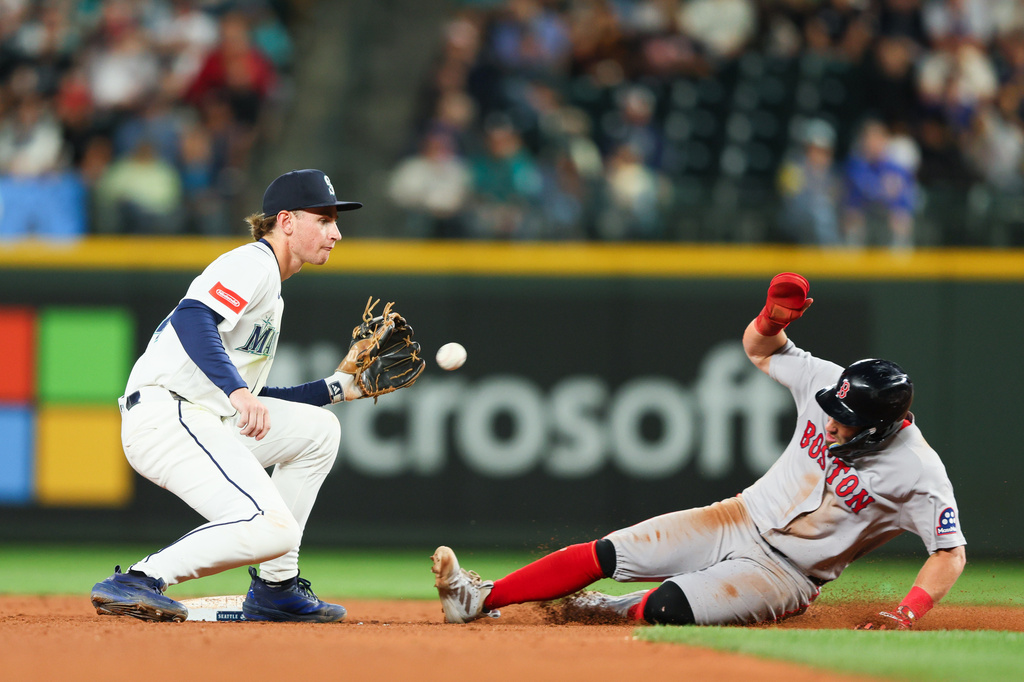
Big Al's Daily Angle: MLB and EPL Previews and Odds - 08/31/26

by Big Al Staff

Monday, Aug 31, 2026

The Monday sports card features MLB and EPL action.Major League Baseball has 12 games scheduled. The Atlanta Braves host the San Francisco Giants at 6:05 p.m. ET. The Braves send out Bryce Elder to pitch against the Giants’ Anthony Molina. Atlanta is a -163 money-line favorite with the total set at 8 (all odds from DraftKings). Two MLB games throw out the first pitch at 6:40 p.m. ET. Tampa Bay plays at home against New York, with Ian Seymour taking the mound for the Rays to face Robert Stock for the Mets. The Rays are a -172 money-line favorite with an over/under of 8. San Diego travels to Cincinnati with the Padres tapping Michael King to take on the Reds’ Brady Singer. The Padres are a -148 money-line road favorite with a total of 8.Two MLB games start at 6:45 p.m. ET. Boston is at home against Seattle, with Payton Tolle getting the ball for the Red Sox to duel against George Kirby for the Mariners. The Red Sox are a -167 money-line favorite with an over/under of 8. Miami plays in Washington with the Marlins tapping Ryan Gusto to battle the Nationals’ Will Dion on FS1. The Marlins are a -123 money-line road favorite with a total of 9. Two MLB games begin at 7:40 p.m. ET. Chicago hosts Milwaukee with Clay Holmes taking the mound for the Cubs to challenge Kyle Harrison for the Brewers. The Cubs are a -114 money-line favorite with an over/under of 9.5. Minnesota plays at home against Detroit, with the Twins turning to Taj Bradley to pitch against the Tigers’ Jackson Jobe. The Twins are a -135 money-line favorite with a total of 8.5. The Texas Rangers are at home to take on the Athletics at 8:05 p.m. ET. Jacob deGrom gets the ball for the Rangers to face Gage Jump for the Athletics. Texas is a -244 money-line favorite with an over/under of 7.5.The Houston Astros host the Chicago White Sox at 8:10 p.m. ET. The Astros send out Peter Lambert to duel against the White Sox’s Anthony Kay. Houston is a -131 money-line favorite with a total of 8.5. The Baltimore Orioles are on the road in Colorado to play the Rockies at 8:40 p.m. ET.  A starting pitcher yet to be determined takes the mound for the Orioles to pitch against Tanner Gordon for the Rockies. Baltimore is a -143 money-line road favorite with an over/under of 11. The New York Yankees visit Los Angeles to battle the Angels on Peacock at 9:38 p.m. ET. The Yankees turn to Elmo Rodriguez to take the hill against an Angels starting pitcher yet to be named. New York is a -143 money-line road favorite with a total of 8.5. The Philadelphia Phillies play on the road in Arizona against the Diamondbacks at 9:40 p.m. ET. Aaron Nola gets the ball for the Phillies to duel against a starting pitcher yet to be determined for the Diamondbacks. Philadelphia is a -125 money-line road favorite with an over/under of 8.Matchweek 2 in the English Premier League concludes with one match. Arsenal is on the road to take on Aston Villa on the USA Network at 3:00 p.m. ET as a -1.5 goal-line road favorite with a total of 2.5. 

Read more

Big Al's Daily Angle: MLB, WNBA, CFL and EPL Previews and Odds - 08/30/26

by Big Al Staff

Sunday, Aug 30, 2026

The Sunday sports card features MLB, WNBA, CFL, and EPL action.Major League Baseball has 15 games scheduled. The Miami Marlins travel to Washington to face the Nationals on Peacock at 12:15 p.m. ET as a -114 money-line road favorite with the total set at 9. Two more MLB games start at 1:35 p.m. ET. The Atlanta Braves host the Colorado Rockies as a -231 money-line favorite with an over/under of 8.5. The Boston Red Sox play in New York against the Yankees as a -120 money-line road favorite with a total of 8. The Seattle Mariners are on the road in Toronto to take on the Blue Jays at 1:37 p.m. ET as a -135 money-line road favorite with an over/under of 8. Three MLB games throw out the first pitch at 1:40 p.m. ET. The Los Angeles Dodgers visit Detroit to face the Tigers on Peacock as a -175 money-line road favorite with a total of 7.5. The Cleveland Guardians play at home against the Kansas City Royals as a -191 money-line favorite with an over/under of 7.5. The Tampa Bay are at home to challenge the San Diego Padres as a -175 money-line favorite with a total of 7.5. Two MLB games begin at 2:10 p.m. ET. The Minnesota Twins host the Chicago White Sox as a -120 money-line favorite with an over/under of 8.5. The Milwaukee Brewers play at home against the Texas Rangers as a -172 money-line favorite with a total of 8.5. The Pittsburgh Pirates play in St. Louis against the Cardinals as a -120 money-line road favorite with an over/under of 8. The New York Mets are at home to battle the Houston Astros on NBC/Peacock at 3:10 p.m. ET as a -126 money-line favorite with a total of 9. The Baltimore Orioles are on the road to play the Athletics at 4:05 p.m. ET as a -156 money-line road favorite with an over/under of 10.5. The Philadelphia Phillies travel to Los Angeles to face the Angels at 4:07 p.m. ET as a -198 money-line road favorite with a total of 8. Sunday Night Baseball on NBC/Peacock features the Chicago Cubs hosting the Cincinnati Reds at 7:20 p.m. ET. The Cubs are a -142 money-line favorite with an over/under of 9. The WNBA has four games on tap before the 17-day break for the 2026 FIBA Women’s Basketball World Cup. The Minnesota Lynx play in Atlanta against the Dream at 3:00 p.m. ET as a 2.5-point road favorite with a total of 177.5. The Seattle Mystics play at home against the Los Angeles Sparks at 5:00 p.m. ET as a 1.5-point favorite with an over/under of 172.5. The Golden State Valkyries are on the road in Portland to face the Fire at 7:00 p.m. ET as a 5.5-point road favorite with a total of 159.5. The Dallas Wings are at home to battle the Connecticut Sun at 8:30 p.m. ET as an 11.5-point favorite with an over/under of 166.5. Week 13 in the Canadian Football League continues with one game. The British Columbia Lions travel to Ottawa to play the Redblacks on the CBS Sports Network at 7:00 p.m. ET as a 7.5-point road favorite with a total of 60.5. Matchweek 2 in the English Premier League continues with four matches. Three EPL matches start at 9:00 a.m. ET. Chelsea hosts Brighton and Hove Albion as a -0.5 goal-line favorite with an over/under of 2.5. Leeds United plays at home against Brentford on the USA Network as a -0.5 goal-line favorite with a total of 2.5. Sunderland is at home to take on Fulham as a -0.5 goal-line favorite with an over/under of 2.5. Manchester United hosts Ipswich Town on the USA Network at 11:30 a.m. ET, as a -1.5 goal-line favorite with a total of 3.5.  

Read more

August Starting Pitching NL Overachievers

by Nelly's Sports

Saturday, Aug 29, 2026

There are a few pitchers that stand out as overachievers in August with numbers that are not likely to hold up down the stretch in the final month of the regular season. Here are four National League arms who look due for a correction as the calendar turns to September. Brandon Pfaadt – Arizona Diamondbacks Pfaadt's turnaround is one of the best stories of the second half. Since returning from a minor-league demotion on June 30, he's sitting on a 1.16 ERA and 0.89 WHIP over his last nine starts, and a 3.11 ERA for the season. The problem is what's missing: a strikeout rate that's fallen to a 5.4 K/9 since the All-Star break, an incongruent combination for anyone running ratios this shiny. Among 60 qualified pitchers since June 30, Pfaadt ranks 10th in BABIP at .237, 11th in strand rate at 86.1%, and first in HR/FB rate at a microscopic 1.6%. Despite sitting first in ERA among that group, he ranks 44th in SIERA. Arizona's defense is genuinely excellent and deserves real credit, but a starter with almost no strikeouts leaning this heavily on contact management and home-run suppression is not a stable proposition heading into the stretch run as Arizona looks to claim a wild card spot.  Clay Holmes – Chicago Cubs Holmes has been a quietly excellent midseason trade addition, working to a 2.49 ERA and 1.11 WHIP with 50 strikeouts against 23 walks in nearly 69 innings since being acquired from the Mets. But his expected ERA sits at 4.05, which is a run and a half higher than what he's actually allowed, and his expected wOBA against of .311 is well above his actual mark of .262, a gap of roughly 50 points. That disparity points squarely to contact-quality luck rather than a real step forward in stuff. An 6.2 K/9 for a starter this reliant on soft, well-placed contact leaves very little margin if the quality of contact normalizes, and his ground-ball-heavy approach means one string of bloopers or misplayed line drives could unravel the ratios in a hurry. Robbie Ray – San Diego Padres Ray has bounced between two rotations this season but has kept his ERA in a tidy 3.21, propped up by a .244 BABIP and an 80% strand rate that both sit on the fortunate side of normal. His strikeout rate is 7.7 K/9 is on pace for a career low for a pitcher who's built a career on missing bats, and a 4.4 BB/9 leaves little margin for error. His SIERA has run close to 4.95 for the season which is nearly two runs higher than his actual ERA, one of the widest gaps among qualified NL starters. Ray's stuff has proven real through his well-traveled career and he's shown he can dominate in stretches, but the profile underneath the ERA right now looks more like a mid-4.00s pitcher who's gotten a lot of help from sequencing and defense. Michael King – San Diego Padres King rounds out a group of pitchers sitting on sub-3.50 ERAs with strikeout-minus-walk rates no higher than 12% in at least 100 innings, which is a combination that tends not to last. He's carrying a 3.23 ERA and 1.17 WHIP with a 7.7 K/9 through 156 innings, solid volume production for a Padres staff that's needed it. But the SIERA marks for this whole tier of pitcher have run in the 4.30s to 4.90s, and King is no exception. The skill indicators simply don't support an ERA this far under 3.50. He's a legitimately useful innings-eater and his low walk rate is a real strength, but anyone pricing him as an ace-caliber arm down the stretch in big games in the NL wild card race is paying for results that look considerably better than the process behind them.

Read more

August Starting Pitching AL Overachievers

by Nelly's Sports

Saturday, Aug 29, 2026

There are a few pitchers that stand out as overachievers in August with numbers that are not likely to hold up down the stretch in the final month of the regular season. These four American League starters may be worth avoiding or considering fading in upcoming starting efforts as the solid ERA results are hiding some red flags in the peripherals.  Nick Martinez – Tampa Bay Rays Martinez has been one of the best stories in baseball, an All-Star at 35 after bouncing between Japan, San Diego, and Cincinnati, and he's carrying a 2.93 ERA with a sparkling 1.10 WHIP. The trouble is the skill set behind it: a strikeout rate around 14-15% with a walk rate under 5% is an extremely low-margin profile, and his .264 BABIP and 85.2% strand rate are doing enormous work to keep the ERA where it is. His SIERA has sat close to 4.80 for most of the summer which is a staggering nearly two and a half runs higher than his actual ERA, the largest gap of any starter in the league at one point this season. Soft-contact command guys can run hot for a long stretch, but a profile this light on strikeouts leaves almost no cushion if the contact management slips even a little in September. The Rays have a difficult final month schedule that includes the Braves, Red Sox, Yankees, and Phillies as Martinez could become a question mark for the postseason rotation.  Walbert Ureña – Los Angeles Angels Urena has been one of the more interesting stories in the Angels rotation, sitting on a sub-2.70 ERA with a 97-plus mph four-seamer and a sinker that generates a ton of grounders. The double-digit walk rate and modest strikeout numbers in the minors were always the concern, and that's shown up in the majors too as he's been living off a .257 BABIP and a single-digit HR/FB rate that won't hold at this level forever. There's a real skill spike here worth taking seriously; his expected ERA based on actual contact quality is meaningfully better than his SIERA suggests, pointing to a genuinely improved 14% line-drive rate rather than pure fortune. Still, a starter with consistent double-digit walk rates is always one bad week away from a blowup, especially as opposing lineups continue adjusting to him for a third and fourth time through the league. The Angels don’t have much to play for in the final month as the lineup and bullpen support could grow weaker as well.  Tanner Bibee – Cleveland Guardians Bibee is the cautionary tale that has already played out. When we flagged him in July sitting on a 3.89 ERA against a FIP well over a run higher, the home-run issues and contact-management gap were the concern, and sure enough, his ERA has since climbed into the mid-4.00s, with a brutal seven-outing stretch since the start of July that's pushed his season line to a losing record and an ERA north of 4.50. It's a clear example of exactly the kind of correction these gaps predict, and it's worth keeping in mind the next time a Guardians starter looks too good against the peripherals. Cleveland's pitching development is real, but it isn't magic. Bibee deserves better than his 5-14 record in decisions and he pitched well in a late August loss to the Royals. The Guardians are heading for a tough September battle in the AL Central and AL wild card races and Bibee isn’t a pitcher to count on in big games down the stretch.  Brandon Young – Baltimore Orioles Young has been one of the best surprise stories in the league, and his ERA has actually held up better than most on this list, but the cracks are showing. After sitting in the low-3.00s through most of the summer, his ERA has crept up to 3.38 with a WHIP climbing to 1.34 as his walk total has risen alongside continued modest strikeout numbers. His Statcast profile has also normalized with an .89.4 mph average exit velocity and 40.9% hard-hit rate now produce an expected wOBA of .319 against an actual .307. That's a reasonably encouraging sign, but it also means the version of Young that carried an ERA in the 3.20s is probably not walking through that door again. Young is a solid mid-rotation arm rather than the ace-caliber breakout he looked like in June. Baltimore’s staying power in the AL Wild Card race can be questioned as well with some close-game fortune in recent weeks. 

Read more

All photographic images used for editorial content have been licensed from the Associated Press.

© 2026 Al McMordie's BigAl.com. All Rights Reserved.